Two Men Plead Guilty to Violent Disorder at Epping Asylum Hotel Protest
Two individuals have formally admitted their involvement in a violent disorder incident that occurred during demonstrations outside a hotel accommodating asylum seekers in Essex. The guilty pleas were entered at Chelmsford Crown Court, marking a significant development in a case that has drawn considerable public attention.
Court Proceedings and Charges
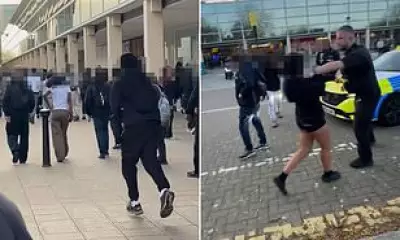
Luke Fleming, aged 21 and residing in Buckhurst Hill, and Shaun Thompson, a 38-year-old from Epping, both pleaded guilty on Monday to a single charge of violent disorder. This charge specifically relates to the protest activities that took place outside The Bell Hotel in Epping on July 17 of the previous year.
In addition to this, Shaun Thompson had previously entered a guilty plea last month to a separate charge of criminal damage. This charge stemmed from allegations that he punched a police vehicle during the same period of unrest.

Judicial Response and Sentencing
Presiding over the case, Judge Alexander Mills has released both defendants on bail pending further proceedings. The judge indicated that a sentencing date would be confirmed in due course, allowing time for the preparation of pre-sentence reports and other necessary documentation.
Context of the Protests
The violent disorder incident occurred amidst a series of protests that were held outside The Bell Hotel over the summer months. These demonstrations were largely triggered by the case of Hadush Gerberslasie Kebatu, an Ethiopian national who had been charged with the sexual assault of a 14-year-old girl.
Kebatu had arrived in the United Kingdom on a small boat just days before the alleged offences took place. He was subsequently found guilty of five separate offences, including sexual assault, at Chelmsford Magistrates’ Court. Following his conviction, Kebatu was sentenced to a prison term.
Post-Conviction Developments
In a notable administrative error, Kebatu was wrongfully released from HMP Chelmsford in October. However, authorities swiftly acted to rectify this mistake, detaining him once again and ensuring his deportation to Ethiopia later that same month.
The case highlights the complex interplay between immigration issues, public protest, and criminal justice proceedings in contemporary British society.