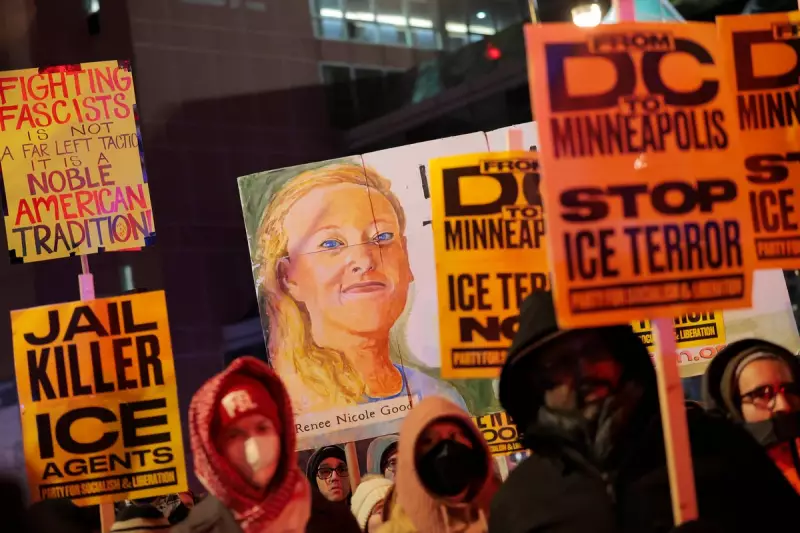
An FBI supervisor, Tracee Mergen, has resigned following her attempt to launch a civil rights inquiry into the actions of ICE agent Jonathan Ross, who fatally shot Renee Good in Minneapolis. The resignation reportedly came after Mergen faced significant pressure from FBI leadership in Washington, D.C., to abandon the investigation into Ross, sparking controversy and raising questions about accountability in federal law enforcement.
Political Reactions and Defenses
Donald Trump has publicly defended agent Ross, asserting that the shooting was an act of self-defense. This stance has been strongly contested by Minneapolis Mayor Jacob Frey, who dismissed Trump's claims as "bulls***," highlighting the deep political divisions surrounding the case. The incident has intensified debates over immigration enforcement and civil rights in the United States.
Justice Department Subpoenas and Resignations
Concurrently, the Department of Justice has issued subpoenas to top Minnesota officials, including Governor Tim Walz and Mayor Frey, as part of an investigation into whether they impeded federal immigration enforcement efforts. This move has added another layer of complexity to the ongoing probe.

In a related development, several Minnesota prosecutors resigned last week, citing the Justice Department's reluctance to investigate Ross and its demand to probe Renee Good's widow, Becca. Becca Good stated that she and her late spouse were merely supporting their neighbors during the ICE operation, underscoring the human impact of the tragedy.
Broader Implications for Law Enforcement
The resignation of Tracee Mergen and the surrounding events have ignited discussions about transparency and oversight within federal agencies. Critics argue that the pressure to drop the investigation undermines public trust, while supporters of the agents involved emphasize the challenges of immigration enforcement. The case continues to unfold, with potential ramifications for policy and community relations in Minneapolis and beyond.