Federal Charges Levied Against Seven in Minnesota Church Service Protest
Seven individuals connected to a protest that interrupted a worship service at a church in Minnesota have been charged with violating two distinct federal laws designed to safeguard Americans' rights. The incident, which occurred earlier this month, has sparked significant legal and media scrutiny, particularly due to the inclusion of journalists among those arrested.
Details of the Protest and Arrests
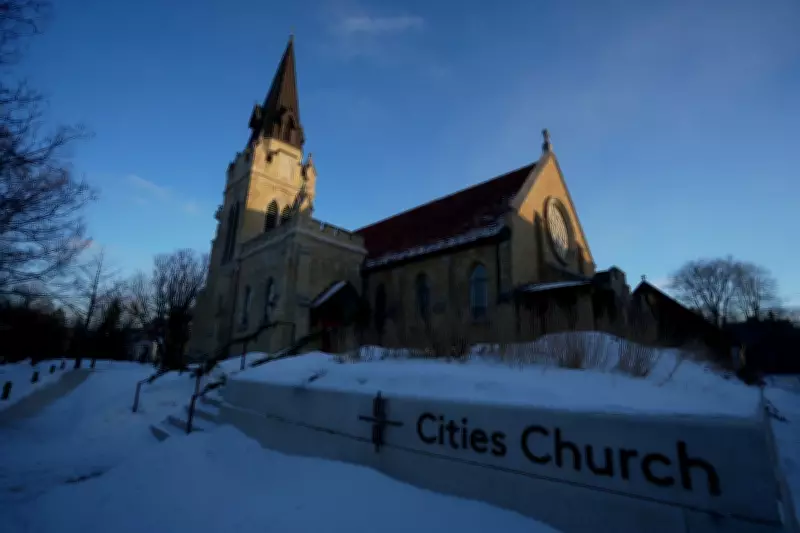
The group forcibly entered a Sunday service at the Cities Church in St. Paul, motivated by opposition to the head of a local U.S. Immigration and Customs Enforcement field office who serves as a pastor. The protest was swiftly condemned by President Donald Trump, Attorney General Pam Bondi, and various officials and religious leaders. Among those arrested are journalist Don Lemon and local reporter Georgia Fort, both of whom were covering the event on January 18. While complaints have been filed, full details of the allegations remain undisclosed as parts of the case files are sealed.
Legal Experts Express Concern Over Journalist Arrests
The arrests of Lemon and Fort have alarmed legal experts and media organisations, who fear a chilling effect on coverage of the Trump administration. David Harris, a University of Pittsburgh law professor specialising in criminal law, noted that charges against protesters may be more justifiable under federal laws protecting worship. However, he emphasised the troubling nature of charging journalists. "Charging journalists for being there covering the disruption does not mean they were part of the disruption," Harris stated. "Don Lemon and other journalists are the way that we the public are finding out what is happening in these spaces. They are our eyes and ears. The message being sent is that journalists should feel intimidated from doing this."

Overview of the Federal Laws Involved
The complaints cite two key laws passed over a century apart, both aimed at preventing disruptions to rights but with broader applications:
The Freedom of Access to Clinic Entrances (FACE) Act
Enacted in 1994, the FACE Act was designed to ensure safe access to abortion clinics for patients and healthcare workers, following incidents of violence. It includes a Republican-sponsored clause penalising disruptions to worship services. Despite criticism from anti-abortion conservatives and a scaled-back prosecution approach by Trump's Justice Department, the U.S. Supreme Court recently declined to hear a challenge to its constitutionality. In 2025, 42 House Republicans co-sponsored legislation to repeal the act, supported by the Heritage Foundation, which labelled it an "ideological weapon." First-time violators face fines or up to a year in jail, with harsher penalties for subsequent offenses or those involving injury, death, or damage.
The Conspiracy Against Rights Law
Dating to the post-Civil War era, this law was originally intended to combat vigilante groups like the Ku Klux Klan, prohibiting intimidation or prevention of constitutional rights. It has since been revised to address various rights violations, including cases like the "Mississippi Burning" killings and church arsons. Penalties can reach up to 10 years in prison, or more if injury, death, or property destruction is involved.
Broader Implications for Public Awareness
Harris underscored the importance of journalistic presence in such events, arguing that it allows the public to form independent judgments. "We all have had the experience of them telling us things that simply do not square with what we see with our own eyes," he said. "Journalists being present to witness these things and report them are crucial to our being able to make up our minds about what our government is doing."
This case highlights ongoing tensions between protest rights, legal protections for worship, and press freedoms, with potential ramifications for future demonstrations and media coverage in the United States.