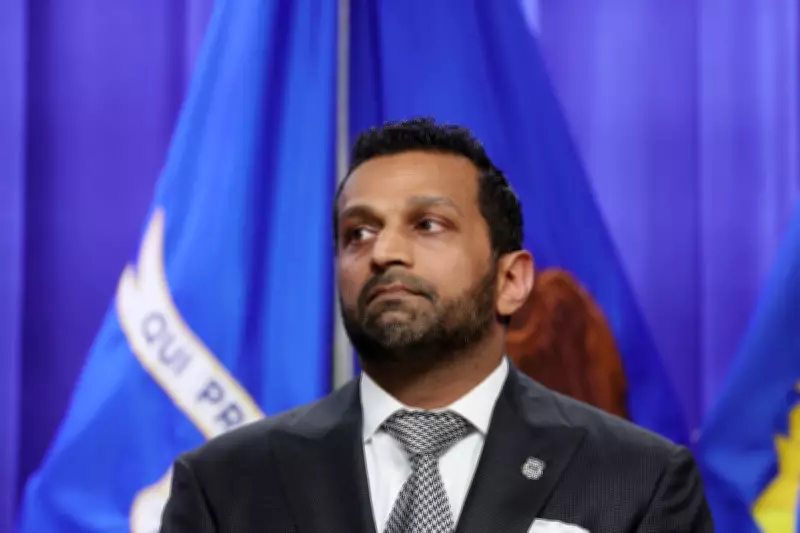
FBI Director Kash Patel has seen his defamation lawsuit against news pundit Frank Figliuzzi dismissed by a Texas court, marking a significant legal setback amid a tumultuous week for the embattled official. The lawsuit centered on Figliuzzi's suggestion that Patel spent more time in nightclubs than at FBI headquarters, a claim Patel vehemently denied as false and damaging.
Court Rules Remarks as Rhetorical Hyperbole
US District Court Judge George Hanks Jr. ruled that Figliuzzi's comment constituted rhetorical hyperbole rather than a statement of actual fact, thereby not meeting the legal threshold for defamation. In his decision, Judge Hanks emphasized that the remark was an exaggerated expression of opinion, protected under free speech principles, and did not imply verifiable assertions about Patel's conduct.
Patel's Broader Legal and Political Challenges
This dismissal coincides with Patel launching a separate $250 million defamation suit against The Atlantic magazine over a profile alleging excessive drinking, further complicating his legal battles. Amidst swirling rumors of potential dismissal by former President Donald Trump, Patel has also publicly claimed to possess evidence supporting allegations of fraud in the 2020 election, though no such evidence has been substantiated in court.

Additionally, a growing petition calls for an official inquiry into Patel's conduct as FBI director, citing concerns over his management and public statements. Patel has countered these criticisms by asserting he was never locked out of FBI systems, despite claims in his lawsuit suggesting otherwise, during a heated exchange with a reporter.
Implications for Public Discourse and Legal Standards
The ruling highlights the fine line between defamatory statements and protected speech in media commentary, setting a precedent for how hyperbolic remarks are treated in legal contexts. Legal experts note that such cases often turn on whether statements can be reasonably interpreted as factual assertions, with this decision reinforcing protections for opinion-based rhetoric.
As Patel navigates these challenges, the outcome may influence future defamation claims involving public figures and media personalities, underscoring the importance of context in assessing alleged harms. The case also raises questions about the impact of ongoing legal disputes on Patel's effectiveness and tenure as FBI director, with observers closely watching developments.