Jury Selection Commences in Chicago Border Patrol Bounty Murder-for-Hire Trial
Jury selection began on Tuesday in a high-profile federal trial in Chicago, where a man stands accused of plotting a murder-for-hire scheme targeting a senior Border Patrol commander. The case centres on allegations that Juan Espinoza Martinez offered a substantial cash bounty for the life of Gregory Bovino, the official who led a contentious immigration enforcement operation in the Chicago area last year.
Details of the Alleged Plot and Defendant's Background
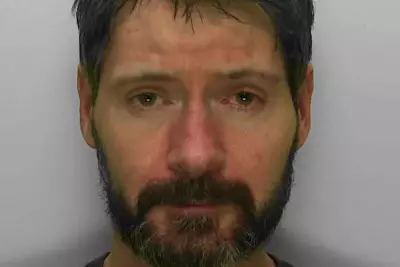
Juan Espinoza Martinez, a 37-year-old father of three who worked as a carpenter, faces a single count of murder-for-hire. Federal prosecutors allege he is a ranking member of the Latin Kings gang who sent a Snapchat message in October stating "10k if u take him down" alongside a photograph of Commander Bovino. He is also accused of offering $2,000 for information about the Border Patrol official.
Espinoza Martinez, who was born in Mexico but has lived in the United States for over three decades without legal permission, has pleaded not guilty. He appeared in court wearing a dark suit and tie, watching proceedings intently from federal custody where he has been held since his arrest last October. His family and defence attorneys strongly contest the gang affiliation claims, asserting he has no ties to the Latin Kings.

Broader Context of Immigration Crackdown and Legal Scrutiny
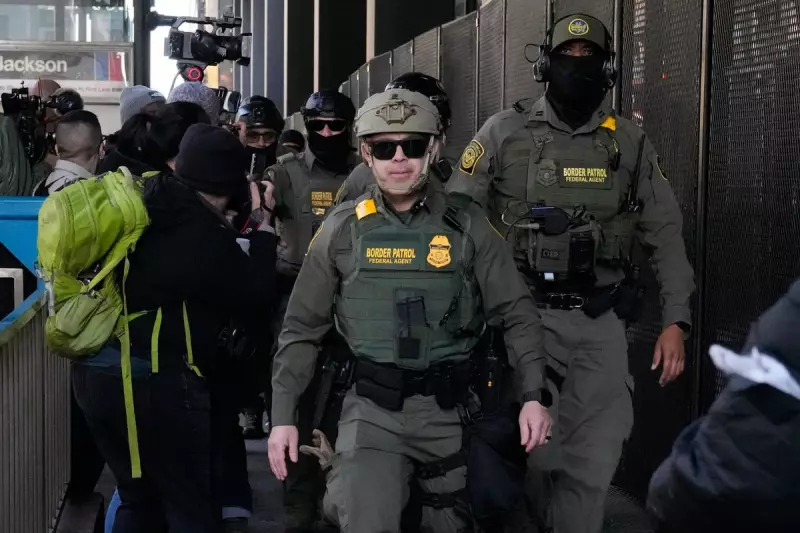
The trial represents the first criminal proceeding connected to Operation Midway Blitz, the Trump administration's aggressive immigration crackdown in and around Chicago that resulted in more than 4,300 arrests for alleged violations. Commander Gregory Bovino has been the public face of these combative operations, which have also been conducted in California, North Carolina, and Minnesota.
However, the prosecution's narrative faces significant challenges. In a notable pre-trial development, U.S. Judge Joan Lefkow barred questioning about Espinoza Martinez's alleged Latin Kings ties after prosecutors acknowledged lacking concrete evidence. This follows a pattern of legal skepticism; approximately half of the roughly thirty criminal cases stemming from the Chicago operation have seen charges dismissed or dropped.
Furthermore, a federal lawsuit previously forced Bovino to sit for depositions where a judge found he had lied under oath, including about alleged gang threats. Defence attorney Jonathan Bedi argued before jurors were selected that "The evidence on Mr. Martinez's intent is so weak", highlighting the contentious nature of the prosecution.
Trial Proceedings and Wider Implications
The trial is expected to last several days, featuring testimony from federal agents and excerpts from a video-taped interview Espinoza Martinez gave following his arrest. Notably, Commander Bovino is not anticipated to testify. If convicted, Espinoza Martinez could face up to ten years in prison.
U.S. Attorney Andrew Boutros emphasised the gravity of the charges in an October statement, declaring "Putting a price on the life of a law enforcement officer is a line that can never be crossed." The case has been held up by Bovino and the Trump administration as emblematic of increasing dangers confronting federal agents.
This trial unfolds against a backdrop of intense scrutiny regarding immigration enforcement tactics. Similar operations in Los Angeles, Chicago, New Orleans, and Minnesota's Twin Cities have sparked numerous protests and standoffs, often involving armed, masked agents. With Bovino signalling that immigration operations in Chicago will intensify in coming months, this legal proceeding underscores the ongoing tensions and complex narratives surrounding border enforcement policies in urban America.