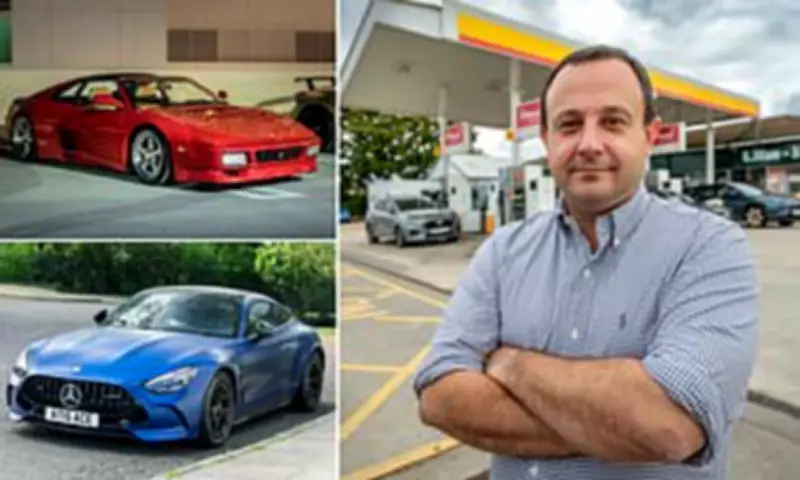
Luxury Car Owners Drive Petrol Theft Epidemic as Iran Conflict Fuels Price Surge
Owners of high-end luxury vehicles, including Ferraris and Mercedes, are among the 'brazen' motorists now propelling a petrol theft epidemic across the United Kingdom. Skyrocketing fuel prices, triggered by the ongoing war in Iran, have driven a significant surge in forecourt crime, with analysis revealing alarming new trends in criminal behaviour.
Unprecedented Theft Levels Eclipsing Previous Records
According to comprehensive analysis of approximately 500 UK filling stations, daily fuel thefts have surged by 27% since the outbreak of the Iran conflict in February. Total losses are now estimated to exceed £1.2 million per week, marking a more severe wave of forecourt crime than that experienced during the fallout from Russia's invasion of Ukraine.
Fuel debt recovery platform Forecourt Eye confirms that theft levels have now surpassed previous records set during the 2022 price spikes. Station owners describe an increasingly audacious atmosphere, with even drivers of luxury vehicles speeding off without payment, sometimes taunting staff with waves as they depart.

From Individual Opportunists to Organized Criminal Networks
The petrol theft crisis extends beyond individual motorists to include sophisticated criminal operations. Organized gangs are reportedly using transit vans equipped with large internal canisters to siphon fuel, effectively creating 'mobile petrol stations' that resell stolen goods at discounted prices from roadside laybys.
Michelle Henchoz, managing director of Forecourt Eye, observed: 'With someone taking fuel you think that you'd have a vision of what they look like but they aren't what you think. They are driving supercars.'
Price Increases Driving Criminal Behaviour
The latest figures from the RAC reveal the economic pressure driving this criminal surge. The average price of petrol has climbed to 158.2p per litre, marking a 25p increase since the start of the conflict. Diesel prices have experienced an even more pronounced spike, soaring by 48p to reach an average of 191.31p per litre.
Goran Raven, who operates a family-run filling station in Essex, reported a 'definite and noticeable increase' in theft during the first fortnight of the conflict, primarily from 'drive-offs going for a full tank'.
Quantifying the Crisis: Key Statistical Findings
Forecourt Eye's analysis comparing February figures with March data reveals:
- Daily fuel theft rose to over 6,500 litres in March, representing a 15.7% increase from the previous month
- The total daily value of stolen fuel climbed from £8,378 to £10,652, a 27.4% spike
- If mirrored across the UK's 8,400 forecourts, this indicates a national theft rate of approximately £1.25 million weekly
Legal Framework and Enforcement Challenges
Under the Theft Act 1978, driving off without payment constitutes a criminal offense carrying penalties of significant fines or up to two years imprisonment. However, enforcement remains problematic as many retailers have ceased reporting incidents to authorities.
The relatively low value of individual thefts, typically around £50, results in these crimes being categorized similarly to minor shoplifting offenses. A Forecourt Trader study revealed that most police forces fail to identify suspects in the majority of cases, resulting in minimal conviction rates.
Official data from the previous year confirms that 'drive-off' thefts surged by nearly 50% in just 12 months, resulting in millions of pounds in losses for the industry. This trend appears to be accelerating dramatically amid the current geopolitical and economic pressures.