Home Secretary Announces Most Significant Policing Reforms in Two Centuries
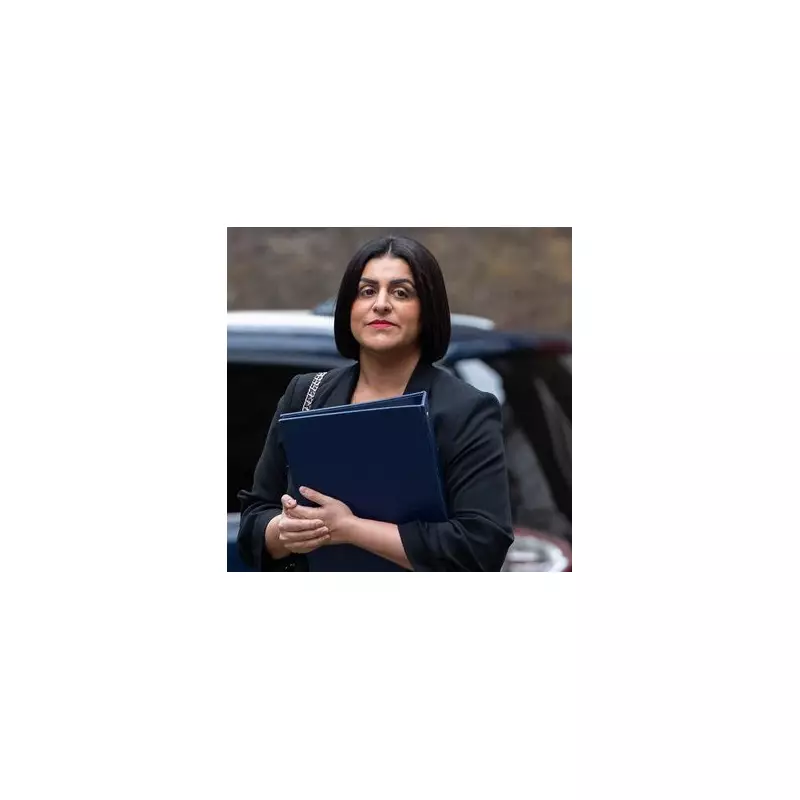
In what is being described as the most substantial restructuring of law enforcement in two hundred years, Home Secretary Shabana Mahmood is poised to unveil a comprehensive policing blueprint next week. The landmark proposals will grant the Government unprecedented authority to intervene in underperforming forces and dismiss chief constables who fail to meet standards.
Crack Squads and Enhanced Ministerial Powers
The forthcoming white paper, anticipated to be published on Monday, will introduce a mechanism for deploying specialist intervention teams to forces deemed to be failing. These crack squads, comprised of experts from high-performing constabularies, will be tasked with implementing rapid improvements and driving up operational standards across critical areas.
Central to the reforms is a significant enhancement of the Home Secretary's powers. Ms Mahmood will be granted explicit authority to remove chief constables from their positions, addressing a longstanding frustration within government. This change follows a recent incident where the Home Secretary publicly expressed no confidence in West Midlands Police Chief Constable Craig Guildford but lacked the legal power to dismiss him.

Driving Accountability Through Transparency
The reforms mandate that every police force in England and Wales must publish a publicly accessible online dashboard. This transparency tool will display performance metrics across key priorities, enabling both parliamentary and public scrutiny. Critical indicators will include emergency response times for 999 calls, the strength of neighbourhood policing teams, and crime resolution rates.
"The police are the public, and the public are the police," stated Ms Mahmood. "It is essential that the people can determine what they expect from their forces. I will make police forces accountable to both parliament and the public – driving up standards so they fight more crime in their communities."
Structural Overhaul and External Recommendations
The proposed changes are expected to address the current structure of 43 separate police forces in England and Wales. The National Police Chiefs’ Council has previously advocated for consolidation, suggesting a reduction to just 12 regional forces to improve efficiency and coordination.
These government plans align with external think-tank recommendations. A recent report from the Tony Blair Institute called for the creation of a UK-wide police force dedicated to tackling organised crime, cybercrime, and terrorism. The report also proposed establishing a national digital forensics agency and implementing country-wide facial recognition technology.
Ryan Wain, senior director of politics and policy at the institute, emphasised the need for modernisation: "Criminals do not respect force boundaries. Neither should core policing capability."
Strengthening Vetting and Officer Conduct
Beyond structural changes, the white paper will introduce stricter vetting procedures for new police recruits. Individuals with cautions or convictions related to violence against women and girls will be permanently barred from joining the service.
Additionally, the Government will implement stronger requirements for suspending officers accused of criminal offences while investigations are ongoing. The reforms will also grant ministers greater powers to act against forces that ignore official recommendations for improvement.
This comprehensive package represents the most significant proposed changes to policing since the establishment of the modern police service, aiming to restore public confidence and enhance operational effectiveness across the nation.