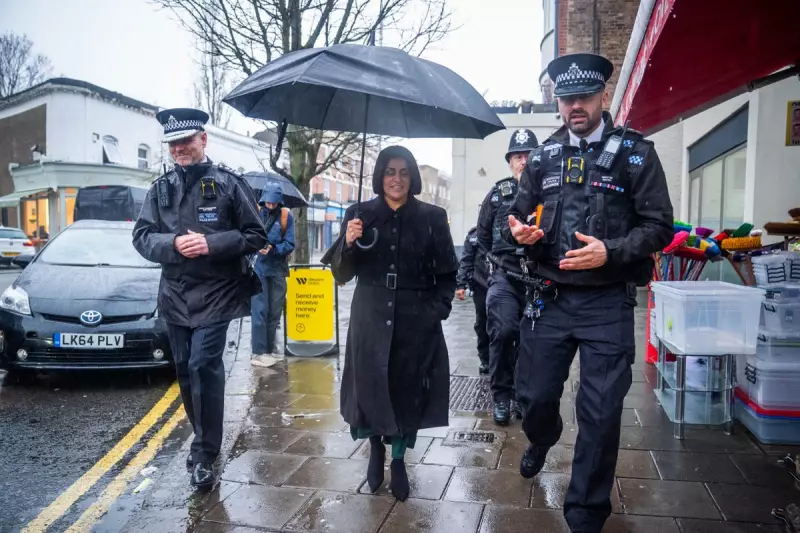
Home Secretary Shabana Mahmood is poised to present a radical package of policing reforms to Members of Parliament on Monday afternoon, in what is being described as the most significant overhaul of law enforcement in two centuries.
Major Structural Changes
The centrepiece of the reforms involves a dramatic restructuring of the police landscape in England and Wales. Ms Mahmood will announce plans to slash the number of regional police forces and establish a new National Police Service (NPS). This new national body is intended to function as a "British FBI," focusing on tackling major cross-regional and international crimes, including serious organised crime and complex fraud.
Addressing an 'Epidemic of Everyday Crime'
In her statement to the Commons, the Home Secretary is expected to frame the reforms as a direct response to what she terms "an epidemic of everyday crime." She has highlighted offences such as shoplifting and phone theft that often go unpunished under the current system. The new model aims to empower local policing to deal more effectively with these community-level crimes while the NPS handles larger-scale threats.

To bolster the fight against retail crime, the government has announced a £7 million investment. This includes £5 million specifically allocated to Operation Opal, a national intelligence-sharing unit dedicated to targeting organised shoplifting gangs. Policing Minister Sarah Jones issued a stark warning to criminals, stating: "For too long, organised crime gangs have taken advantage of defenceless retailers... My message to them is simple – there is nowhere to hide now."
Enhanced Accountability and Performance
The reform package introduces several measures designed to improve police accountability and performance. These include granting the Home Secretary new powers to dismiss underperforming chief constables. A new national target for emergency response times will be enforced more rigorously, and a proposed "licence to practise" for police officers aims to ensure professional standards.
Furthermore, the government plans to reduce bureaucratic red tape, a move intended to free up more officers for frontline duties. Ministers are also launching a recruitment drive to revive the numbers of volunteer special constables, which have plummeted from over 20,000 in 2012 to just 5,534 last year.
Confronting the Digital Crime Wave
Recognising the evolving nature of criminality, the reforms mandate police forces to hire more technology specialists. This initiative is designed to combat the rising tide of digital crime, where offenders are increasingly exploiting advanced technologies like deepfakes and artificial intelligence.
"Crime has evolved – but police forces haven't," Ms Mahmood stated. "Fraudsters and serious organised crime bosses are outsmarting them. Under my reforms, forces will now hire more digital, cyber and forensic officers to put vile criminals behind bars."
Financial Implications and Mixed Reactions
The restructuring is also projected to generate financial savings. By consolidating the number of police forces, the government expects to reduce expenditure on back-office functions such as administration and procurement.
Initial reactions to the proposals have been varied. While senior police officers have generally welcomed the creation of a national force to tackle major crime, the Police Federation has expressed reservations. The Federation has questioned whether reducing the number of regional forces will necessarily lead to improved policing, cautioning that fewer forces does not "guarantee more or better policing."
The Home Secretary's comprehensive statement to MPs marks the beginning of a significant debate on the future of law enforcement in the UK, balancing national coordination with local responsiveness in an age of complex criminal threats.