Home Secretary Unveils Sweeping Police Reforms with Force Mergers and National Targets
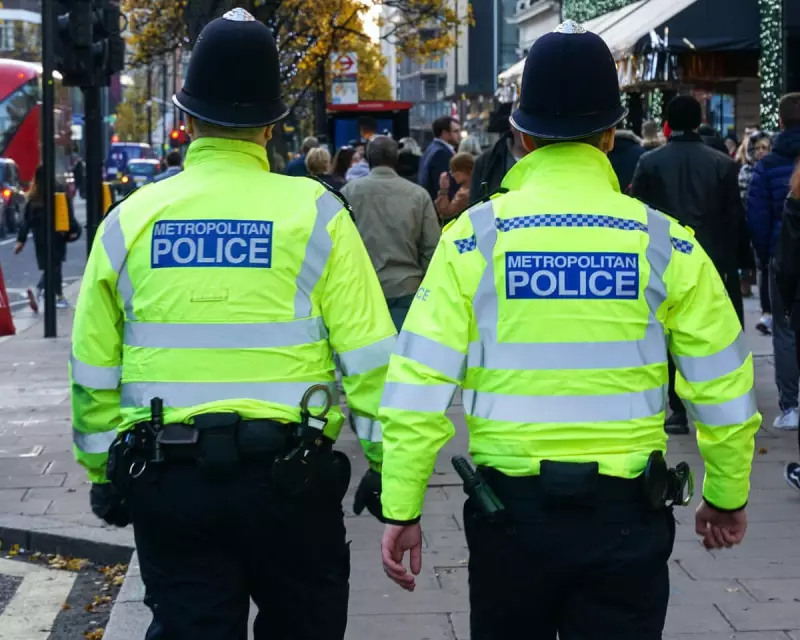
The Home Secretary, Shabana Mahmood, is poised to endorse a substantial reduction in the number of local police forces across England and Wales as part of a comprehensive overhaul of law enforcement. This move comes alongside new national targets for response times and victim satisfaction, marking what the Home Office describes as the most significant policing reforms in two centuries.
New Powers and Accountability Measures
Under the proposed changes, police forces will face nationally set targets focusing on emergency call response times, crime victim satisfaction, and public trust in local policing. The results will be published on a public dashboard, allowing residents to compare their area's performance with others. This reintroduces a system of national targets that were abolished in 2011 under the Conservative-led coalition government.
Mahmood will also acquire enhanced powers to intervene directly in underperforming forces. This includes the authority to dispatch special teams from higher-performing forces to assist those with low crime clear-up rates and to remove chief constables deemed to be failing in their duties.

Controversy and Support Among Police Chiefs
While the reforms have garnered broad support from many police chiefs, certain aspects remain contentious. Some senior officers express concerns that national targets and potential league tables could create perverse incentives, prioritising rankings over service quality. One chief cautioned, "People worry about their position in league tables as opposed to the quality of service. What gets measured gets done, and what does not get measured does not get done." Another added, "You can hit the target and miss the point."
Despite these reservations, the philosophy underpinning Labour's reforms asserts that a centrally elected government should hold policing accountable, arguing that the current localised systems have proven ineffective. Mahmood emphasised, "It is essential that the people can determine what they expect from their forces. I will make police forces accountable to parliament – driving up standards so they fight more crime in their communities."
Force Mergers and Local Sensibilities
The Home Secretary is expected to advocate for a "significant" cut from the current 43 local police forces in England and Wales, though a specific target number will not be announced immediately. Instead, a commission will review the issue and recommend which forces should merge, with police chiefs generally supporting a reduction to between 12 and 15 forces.
However, the implementation of force mergers faces potential hurdles, including local sensibilities and cultural differences. For instance, a survey in Devon and Cornwall revealed that 66% of respondents prefer the force to remain unchanged, with only 18% favouring a larger regional force and a mere 1.5% supporting a separate police service for Cornwall. One source noted, "They think they are too English," highlighting the complexities involved in such consolidations.
Financial Implications and Future Outlook
The white paper detailing these reforms, titled "From local to national: a new model for policing," is set to be unveiled in Parliament on Monday. Sources indicate the reforms will cost approximately £500 million over three years, but supporters believe this upfront expense will be offset by long-term savings.
Additionally, the plans include the abolition of elected Police and Crime Commissioners (PCCs) by 2028, recentralising control over policing priorities and budgets. While some chiefs welcome pledges to protect neighbourhood policing, others warn that larger forces do not necessarily improve performance, citing evidence that smaller forces often achieve higher crime clear-up rates.
As the government moves forward with these ambitious reforms, the path to implementation may be protracted, with one chief remarking, "It feels like it is being kicked into the long grass." Nevertheless, Mahmood has privately characterised her approach to police reform with the motto: "We go large, or we go home."