Neo-Nazi Thomas Sewell to Stand Trial for Alleged Attack on Melbourne Indigenous Camp
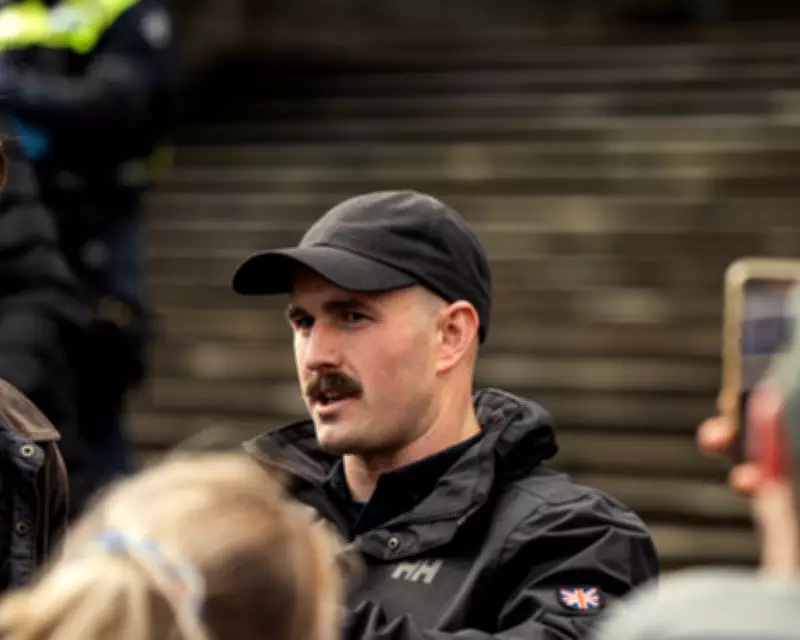
Thomas Sewell, a well-known neo-Nazi activist, is facing a criminal trial over allegations that he led a violent assault on an Indigenous camp in Melbourne. The incident, which occurred earlier this year, has sparked widespread outrage and calls for justice from community groups and legal authorities.
Details of the Alleged Incident
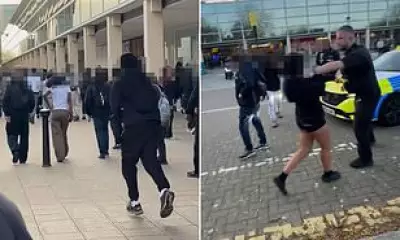
According to court documents, Sewell is accused of orchestrating and participating in an attack on a makeshift Indigenous camp located in a public park in Melbourne. The camp was established by local Indigenous activists to protest housing inequalities and historical injustices. Prosecutors allege that Sewell and several associates targeted the camp with the intent to intimidate and harm its occupants, resulting in physical injuries and property damage.
The charges against Sewell include assault, incitement to violence, and malicious damage. Witnesses reported that the attack involved verbal abuse, physical altercations, and the destruction of tents and personal belongings. Police were called to the scene and arrested Sewell shortly after the incident, following a brief investigation that included video evidence and testimonies from camp residents.

Background of Thomas Sewell
Thomas Sewell has a history of involvement in far-right and neo-Nazi activities across Australia. He has been linked to various extremist groups known for promoting white supremacist ideologies and engaging in public demonstrations. Previous incidents involving Sewell have drawn media attention and condemnation from anti-racism organisations, who describe him as a key figure in Australia's growing far-right movement.
This trial is seen as a significant test of Australia's legal response to hate crimes and extremist violence. Legal experts note that if convicted, Sewell could face substantial penalties, including imprisonment, which might set a precedent for future cases involving similar offences.
Community and Legal Reactions
The Indigenous community in Melbourne has expressed relief that the case is proceeding to trial, highlighting the need for protection against racially motivated attacks. Community leaders have called for stronger measures to safeguard vulnerable groups and address the root causes of such violence.
In court, Sewell's defence team has argued that the allegations are exaggerated and politically motivated, claiming that Sewell was exercising his right to free speech. However, prosecutors maintain that the evidence supports the charges, emphasising the violent nature of the incident and its impact on the victims.
The trial is scheduled to begin in the coming months, with pre-trial hearings already underway. Authorities have increased security around the courthouse to prevent any disruptions or protests related to the case.
Broader Implications
This case has reignited debates about hate speech, extremism, and Indigenous rights in Australia. Advocacy groups are using it to push for stricter laws against hate crimes and better support for Indigenous communities facing discrimination. The outcome of the trial could influence public policy and law enforcement strategies aimed at combating far-right extremism nationwide.
As the legal process unfolds, many are watching closely to see how justice is served in this high-profile matter, which underscores the ongoing challenges of racism and violence in contemporary society.