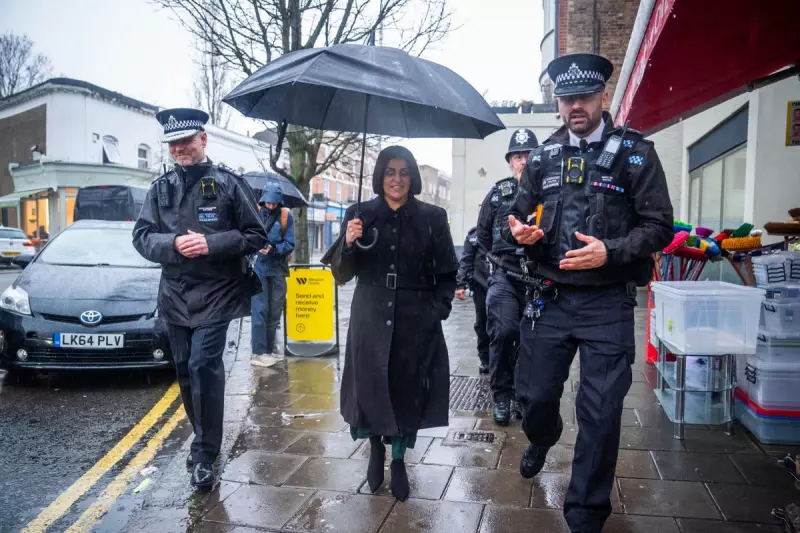
In a landmark announcement set to transform law enforcement across England and Wales, Home Secretary Shabana Mahmood has revealed comprehensive plans for a major police shake-up. The centrepiece of these reforms is the creation of a new National Police Service, which has already been informally dubbed the "British FBI" by commentators and officials alike.
What is the National Police Service?
The proposed National Police Service will act as a centralised body designed to consolidate existing national and regional policing units. Its primary mandate will be to take over investigations into the most complex and serious crimes that currently strain local resources. This includes critical areas such as counter-terrorism operations, large-scale fraud cases, and organised crime networks that often span multiple jurisdictions.
Freeing Up Local Forces
A key objective behind this structural overhaul is to liberate local police forces from the burden of handling intricate national-level cases. By transferring responsibility for these demanding investigations to the NPS, community policing teams will be able to refocus their efforts on addressing everyday offences and building stronger relationships within their neighbourhoods. This shift aims to rectify what many experts have identified as the current policing model's inadequacy in effectively combating modern, sophisticated criminal activities that require specialised, coordinated approaches.

Structural Changes and Leadership
The reforms are expected to bring about significant structural changes to the policing landscape. One of the most notable proposals involves reducing the number of police forces in England and Wales from the current total of 43. This consolidation is intended to create a more streamlined and efficient national framework.
To lead this new organisation, the government plans to appoint a national police commissioner who will oversee the NPS and coordinate its operations across the country. This role will carry substantial authority in directing national crime-fighting strategies and ensuring cohesive action against serious threats.
Support from Senior Figures
The proposed changes have already garnered considerable support from prominent figures within the policing community. Both the head of the National Crime Agency and a former counter-terrorism chief have publicly endorsed the plans, highlighting the potential benefits of a more unified approach to tackling serious crime.
In addition to the establishment of the NPS, the reforms include further proposals to scrap Police and Crime Commissioners by 2028. This move would eliminate the current system of elected officials overseeing local police forces, potentially centralising accountability and strategic direction under the new national framework.
Addressing Modern Challenges
The announcement reflects a growing recognition within government and law enforcement circles that traditional policing structures are increasingly ill-equipped to handle the complexities of 21st-century crime. From cyber-enabled fraud to international terrorism networks, criminal enterprises have evolved to operate across borders and exploit technological advancements.
By creating a dedicated national service with specialised resources and expertise, the government aims to develop a more proactive and effective response to these challenges. The "British FBI" model draws inspiration from successful federal law enforcement agencies in other countries while adapting to the specific legal and operational context of the United Kingdom.
As these proposals move forward for further discussion and implementation, they represent one of the most significant reorganisations of British policing in decades, with potential implications for how serious crime is investigated and prevented across the nation.