Oregon Appeals Court Sides with PacifiCorp, Jeopardising Over $1 Billion in Wildfire Damages
An Oregon appeals court has delivered a significant ruling in favour of PacifiCorp, a decision that could potentially jeopardise more than $1 billion in damages awarded to victims of the state's devastating 2020 wildfires. The ruling, issued on Wednesday, sends the high-stakes class-action case back to a lower trial court, citing concerns over a jury instruction given during a pivotal 2023 trial.
Legal Error in Jury Instruction Leads to Reversal
The Oregon Court of Appeals, in a decision made by a three-judge panel, found that the trial court erred in instructing the jury that evidence presented regarding four specific wildfires could be assumed to apply to all class members. This class includes thousands of property owners affected by the blazes.
"We conclude that... that instruction was legally erroneous, because certain evidence at trial, particularly related to causation, did not necessarily apply to every class member," the judges wrote in their ruling. "We further conclude that giving the instruction was prejudicial to PacifiCorp. Consequently, we reverse and remand."

The judges highlighted the geographical diversity of the class, noting it includes owners of over 2,000 parcels of property damaged by different fires, some separated by well over a hundred miles. The wildfires in question include the Santiam Canyon fire in northwestern Oregon, the Echo Mountain Complex fire near the coast, and the South Obenchain and 242 fires in southwestern Oregon.
Background of the 2020 Wildfires and Legal Proceedings
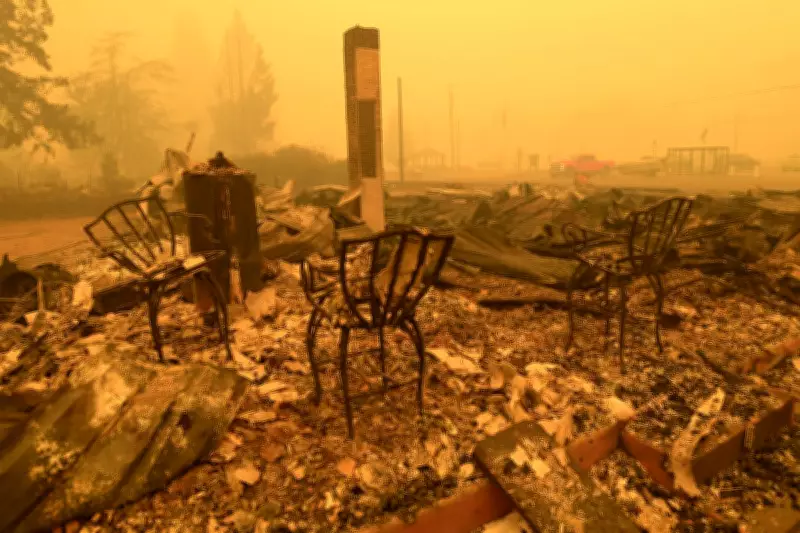
The 2020 Labor Day weekend fires rank among the worst natural disasters in Oregon's history. These catastrophic blazes killed 11 people, burned more than 1,560 square miles (4,040 square kilometres), and destroyed thousands of homes. In the 2023 trial, jurors found PacifiCorp liable for negligently failing to cut power despite warnings from top fire officials and determined the utility should pay punitive and other damages.
Since that initial verdict, other juries have ordered PacifiCorp to pay over $1 billion in damages to the class of victims. However, the recent appellate ruling casts uncertainty on these awards, as it questions the procedural fairness of the trial process.
Reactions from Both Sides and Future Implications
PacifiCorp welcomed the decision, stating in a release: "There are no winners in wildfire; however, the Court's decision supports PacifiCorp's longstanding belief that this process was prejudicial and not appropriate for managing wildfire litigation. The company remains open to resolving reasonable claims and will continue to defend against unsupported claims."
In contrast, lead counsel for the plaintiffs described the ruling as a "procedural setback" and emphasised that "nothing in this ruling suggests the jury got it wrong." The counsel added, "In fact, the Court rejected PacifiCorp's efforts to win this appeal on the merits. Instead, what the court addressed was a single jury instruction, charting several paths forward—including fixing that instruction and trying the case again."
It remains unclear how the case will proceed, including whether the plaintiffs' attorneys will appeal to the state supreme court. More than 1,000 class members have trials scheduled for 2026 and 2027, adding urgency to the legal uncertainty.
Financial Context and Broader Settlements
Separately, PacifiCorp has agreed to pay over $2 billion to settle claims from a series of lawsuits related to the 2020 wildfires. This includes a $575 million payment to the federal government for damages on federal land in Oregon and California. In February, the utility announced plans to sell its wind, natural gas generation, and distribution assets in Washington state to Portland General Electric Company for $1.9 billion to stabilise its finances.
Despite appealing wildfire judgments, PacifiCorp has had to post bonds with the court, straining its cash flow. This financial pressure underscores the high stakes of the litigation, as the company navigates both legal challenges and operational adjustments in the aftermath of the wildfires.