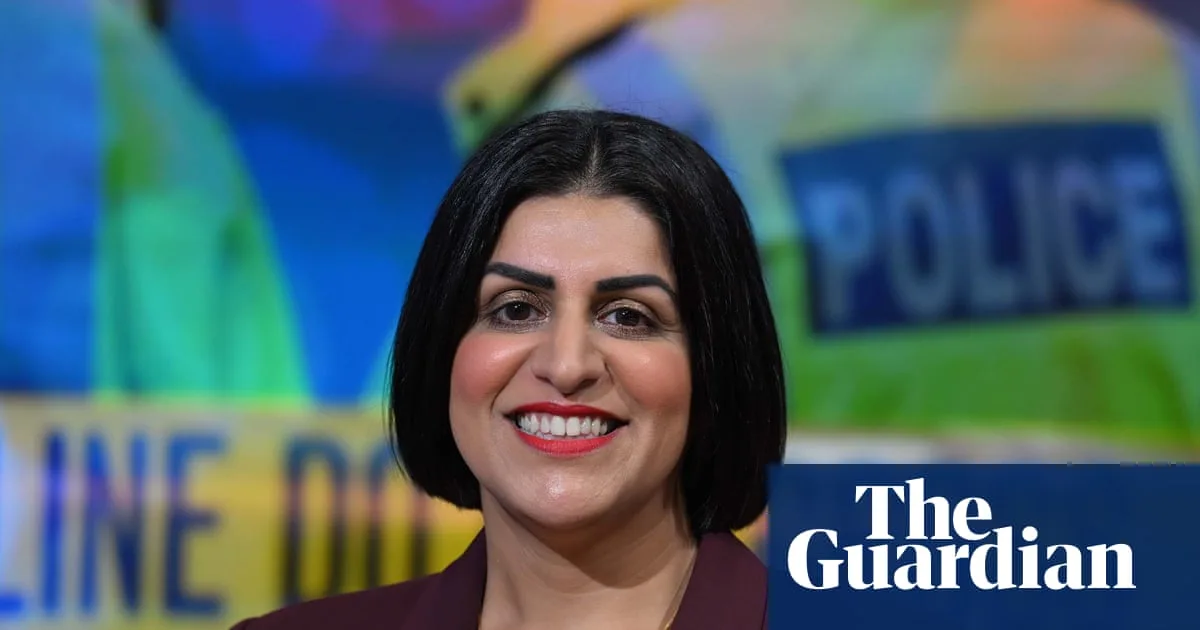
Home Secretary Shabana Mahmood has unveiled a white paper proposing the most significant overhaul of policing in England and Wales since the service was founded two centuries ago. The plans include reducing the number of police forces from 43, creating an FBI-style National Police Service, and introducing a ‘licence to serve’ for all officers.
The white paper, titled ‘From Local to National: a New Model for Policing’, outlines a reduction in forces by 2034, with a review determining the details. A new National Police Service would lead on terrorism, fraud, and organised crime, while local policing areas in every borough, city, and town would focus on neighbourhood issues such as shoplifting and antisocial behaviour.
Other proposals include mandatory regular tests for officers, a fast track for professionals to senior roles, a new commander for violent disorder, a national forensics team, and a rollout of live facial recognition technology. Home Office officials claim merging forces could save billions by reducing duplicated backroom services, citing Police Scotland’s estimated £2bn savings since its 2013 merger.

Critics warn that merging 43 forces is a daunting challenge requiring new funding and governance arrangements, with potential Treasury reluctance. Labour previously attempted similar reforms under Home Secretary Charles Clarke in the 2000s but abandoned them after lobbying. Rural politicians, opposition parties, and smaller force chiefs are expected to resist, while Conservatives question the evidence that force reductions cut crime.
The National Police Service would unify the National Crime Agency, counter-terrorism policing, regional organised crime units, and other national capabilities. Senior officers express concern that another reorganisation could be reversed by a future government, and that concentrating power might allow political interference. Mergers will begin with a consultation and test merger, but the long timeline means the plans could be dropped under a new administration.