Police Merger Plans Face 'Disaster' Warning from Scottish Veterans
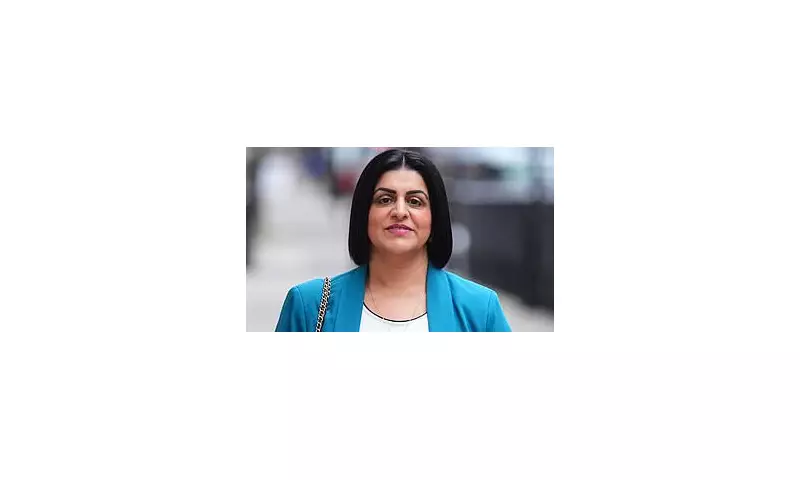
Home Secretary Shabana Mahmood has been confronted with stark warnings that her ambitious plans to restructure police forces across England and Wales could lead to a significant operational disaster. Veteran officers from Scotland have drawn direct parallels with their own controversial merger a decade ago, cautioning that similar negative outcomes await if proper safeguards are not implemented.
Details of the Proposed Restructuring
The Home Secretary has outlined a comprehensive reform package that would see the current forty-three separate police forces consolidated into just twelve larger regional entities. This dramatic consolidation is positioned as a strategic move to reduce bureaucratic overheads and generate substantial cost savings across the policing landscape.
On Monday, Ms Mahmood is scheduled to announce the creation of a new National Police Service. This overarching body would merge several key national units, including:

- Counter-terrorism policing divisions
- The National Crime Agency (NCA)
- Regional organised crime units
- Various other specialist policing services
Under this new structure, the chief of the National Police Service would become the most senior police officer in the country, a role that would supersede the current authority of the Metropolitan Police Commissioner.
Scottish Precedent and Dire Warnings
Former and current police officers from Scotland have issued urgent cautions based on their direct experience with the Scottish National Party's merger of eight regional forces into a single Police Scotland body. They report that this consolidation led to problematic asset-stripping practices, including the sale of police buildings, and a concerning abandonment of local policing priorities.
One retired Scottish officer provided a detailed account of the challenges, stating: 'Police reform came with the promise of mobile specialist units to solve murders and serious sexual crimes, but the key driver was the desire to save £1 billion. It took at least ten years to develop an IT system allowing officers access to the system outside of their area.'
Gary Cunningham, who retired as a detective chief superintendent in 2021, highlighted how a 'blanket approach' to policing failed to account for significant regional variations in crime types and community needs. He acknowledged some improvements in major crime investigations but emphasised that 'local policing was lost' in the process.
Government Assurances and Professional Skepticism
In response to these concerns, Home Secretary Mahmood has insisted that her reforms will actually expand local policing capabilities. She has pointed to plans for almost 2,400 additional officers dedicated to neighbourhood policing, with a further 13,000 officers promised by the end of the current parliamentary term.
However, these assurances have been met with professional skepticism. A Police Federation spokesman commented on Saturday night: 'Fewer forces doesn't guarantee more or better policing for communities. Any proposals must be driven by evidence and best practice, not lowest cost, and must strengthen rather than weaken front-line, investigative and specialist capability, neighbourhood policing and public confidence.'
The forthcoming white paper detailing these reforms is expected to introduce additional measures, including a requirement for officers to obtain a formal licence to practice. As the debate intensifies, the government faces mounting pressure to demonstrate how its consolidation plans will avoid the pitfalls experienced in Scotland while delivering genuine improvements to policing across England and Wales.