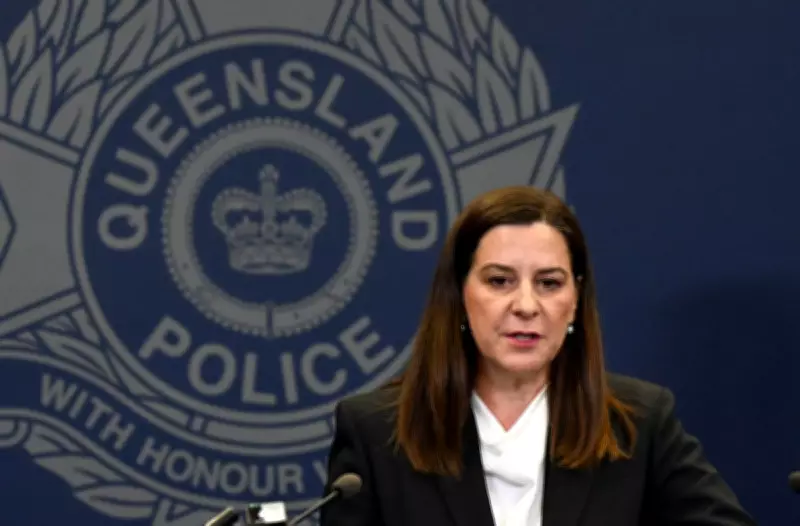
Queensland Police Detective Under Investigation by Legal Aid Board Over Palm Island Case
A Queensland police detective, identified as Darren Robinson, is currently facing a formal review by the Legal Aid Board due to his actions and involvement in the high-profile Palm Island case. This development has sparked significant public and legal interest, as it brings to light ongoing concerns about police conduct and the mechanisms for ensuring accountability within law enforcement agencies in Australia.
Background of the Palm Island Incident
The Palm Island case refers to a series of events that occurred on Palm Island, an Indigenous community located off the coast of Queensland. The incident has been a focal point for discussions on racial tensions, police brutality, and the treatment of Indigenous peoples in Australia. Detective Darren Robinson's role in this case has come under particular scrutiny, with allegations suggesting potential misconduct or procedural errors during the investigation.
The Legal Aid Board, an independent body responsible for providing legal assistance and oversight in matters of public interest, has taken up the case to examine whether Robinson's actions complied with legal standards and ethical guidelines. This review is part of broader efforts to uphold justice and transparency in policing, especially in cases involving vulnerable communities.

Implications for Police Accountability and Legal Oversight
The investigation into Detective Robinson highlights critical issues surrounding police accountability and the effectiveness of legal oversight bodies in Australia. If the Legal Aid Board finds evidence of wrongdoing, it could lead to disciplinary actions, legal repercussions, or reforms in police protocols. Conversely, if Robinson is cleared, it may reinforce confidence in police procedures but also prompt calls for more robust independent reviews in similar cases.
This situation underscores the importance of having strong, independent institutions like the Legal Aid Board to monitor law enforcement activities and ensure that justice is served impartially. It also reflects ongoing challenges in balancing police authority with the rights of individuals, particularly in Indigenous communities that have historically faced systemic issues.
Public and Legal Reactions
Reactions to the news have been mixed, with some advocating for stricter oversight of police conduct and others defending Robinson's actions as part of standard investigative practices. Legal experts emphasize that this case could set a precedent for how similar incidents are handled in the future, potentially influencing policies on police training, community relations, and legal aid provisions.
As the review progresses, stakeholders from various sectors, including human rights organizations, Indigenous advocacy groups, and law enforcement agencies, are closely monitoring the outcomes. The findings are expected to have lasting impacts on public trust in the police and the legal system in Queensland and beyond.