Harold Shipman's Final Letters Reveal Killer's Last Words About Wife Primrose
Shipman's Last Letters Reveal Final Words About Wife

Harold Shipman's Final Prison Letters Reveal Last Words About Wife

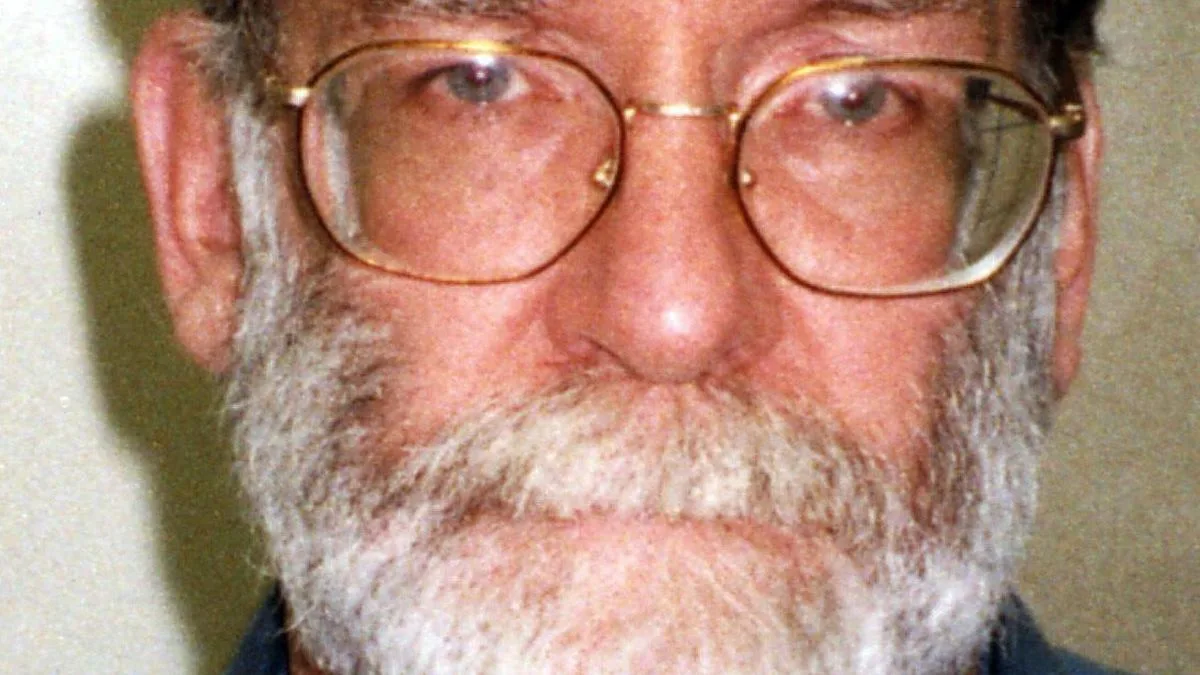
Twenty-six years after his conviction, newly examined personal letters written by Britain's most prolific serial killer, Dr Harold Shipman, in the weeks before his death provide disturbing insights into his final thoughts. The correspondence, primarily addressed to former patients David and Mavis Stott, includes what appear to be Shipman's last recorded words about his wife of nearly four decades, Primrose Shipman.

The Final Mention of Primrose Shipman

In a departure from his typically aggressive and condescending tone, Shipman's final letter to the Stotts, written shortly before he hanged himself in Wakefield Prison on 13 January 2004, contained a brief reference to his wife. "Prim [Primrose] is upset about the downgrading of me to basic. I hope you have an enjoyable Christmas," Shipman wrote, signing the letter as 'Fred' – a nickname derived from his middle name, Frederick.

This seemingly mundane comment belied the extraordinary bond between the couple. Prison records indicate Primrose visited Shipman weekly following his conviction and life sentence for murdering fifteen patients. Documents obtained by The Sun on Sunday suggest Shipman may have timed his suicide deliberately to secure Primrose's financial future, ensuring she would receive a £100,000 lump sum pension payment plus £10,000 annually as a survivor's pension – benefits that would have been substantially reduced had he lived beyond sixty.

Chilling Insights from the Prison Correspondence

The letters, spanning from before his 2000 trial through to weeks before his death, reveal a complex and unrepentant mind. In one correspondence likely written during his trial, Shipman described himself with startling self-awareness: "[I] was a confirmed liar, a cheat, a forger, a murderer......I was as slippery as an eel." Yet this admission came alongside expressions of anger about the prosecution's case against him.

Remarkably, at no point in any of his letters did Shipman show genuine remorse or guilt for his crimes. While he told the Stotts in 2000, "I didn't kill anyone and that will be the statement until I die," he came closest to an admission in a letter to his cellmate, Tony Fleming. "I feel responsible for the deaths of 58 of my patients," Shipman wrote, carefully avoiding the words 'killed' or 'murdered'. Fleming later told The Guardian he believed this was Shipman's way of trying to accept his actions without fully confessing.

Disturbing Prison Dynamics and Further Revelations

The correspondence reveals unsettling dynamics within Wakefield Prison. In one letter dated 26 February 1999, Shipman described saving Fleming's life after his cellmate attempted suicide. "I heard the noise from his last breaths, lifted him up and then untied the knot and laid him on the floor before crying for help," Shipman wrote matter-of-factly, adding that he returned to sleep around 2am.

Fleming confirmed this incident to The Guardian but also revealed more disturbing behaviour. He described waking on multiple occasions to find Shipman looming over him with hands near his throat, though Shipman would claim he was merely turning Fleming over to stop his snoring. Other prisoners warned Fleming that Shipman was dangerous and suggested he kill the serial killer first for self-preservation.

Further chilling claims emerged from another former prisoner, Andrew McEwan, who told The Sun that Shipman had allegedly confessed to losing count after 200 murders, suggesting the true victim count might have reached 400. This aligns with the official estimate that Shipman, known as 'Dr Death', murdered at least 215 patients over 23 years, primarily elderly and vulnerable individuals who trusted him as their GP in Hyde.

Shipman's suicide came just one day before his 58th birthday, ending the life of a man whose crimes represent one of the darkest chapters in British criminal history. These final letters provide a haunting glimpse into the mind of a killer who maintained his disturbing narrative until the very end.