UAE Authorities Crack Down on War-Related Social Media Posts
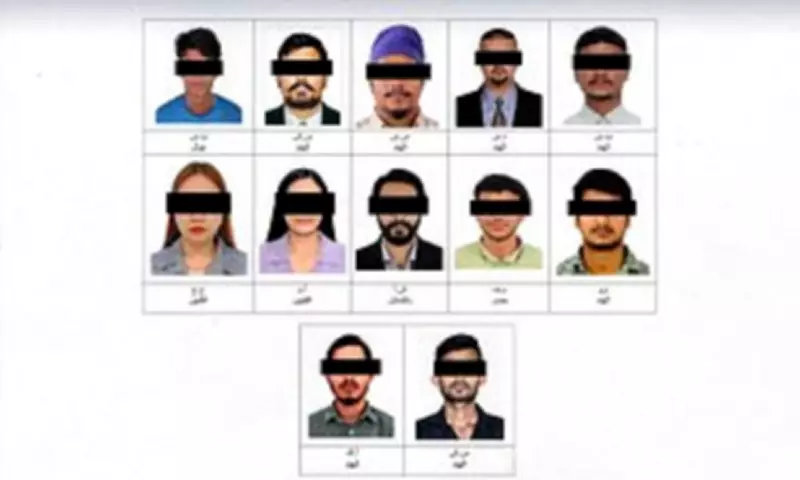
Police in the United Arab Emirates have publicly released mugshots of twenty-five individuals arrested for sharing what they describe as 'war footage' across digital platforms. The diverse group, comprising various nationalities, now faces an expedited trial on charges of publishing misleading content online. This development occurs against the backdrop of escalating conflict in the Middle East, with the UAE government intensifying its monitoring of social media activity.
Strict Legal Measures and Arrest Categories
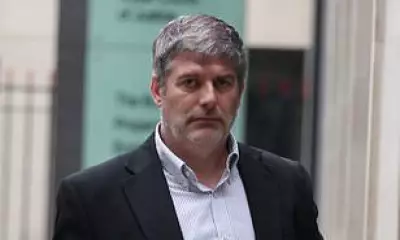
The arrests follow a recent case involving a sixty-year-old British man who faced a potential two-year prison sentence in Dubai for allegedly filming Iranian missiles. UAE authorities have issued stern warnings against sharing any information that could incite public panic, particularly as drone and missile strike videos circulated widely during the initial stages of the conflict. These videos have since largely disappeared from social media, replaced by numerous posts praising the Dubai government's handling of the situation.
The twenty-five detainees have been divided into three distinct categories based on their alleged offenses. The first group stands accused of publishing and circulating authentic video clips showing missile interceptions. According to Attorney-General Dr. Hamad Saif Al Shamsi, such footage risks exposing defensive capabilities and promotes misleading narratives that could incite public anxiety.
The second group faces charges for sharing footage of attacks that were either artificially generated using AI technology or occurred outside UAE territory. The third category consists of individuals accused of publishing material that glorifies hostile states, an act described by the Attorney-General as serving hostile media discourse and harming national interests.
Expanding Arrests and Legal Consequences
These latest arrests form part of a broader crackdown, with reports indicating that up to one hundred people have been detained by UAE police for filming drone or missile strikes. Abu Dhabi Police alone have arrested forty-five individuals of multiple nationalities for filming various locations and posting clips on social media. In neighboring Dubai, at least twenty-one people, including the British tourist, have been detained, bringing the estimated total close to one hundred according to sources.
Authorities have warned that such actions could provoke public opinion and spread dangerous rumors. Dubai Police issued a statement emphasizing that sharing rumors, false information, or any content contradicting official announcements is strictly prohibited. Violators may face criminal penalties including imprisonment and fines exceeding forty-one thousand pounds.
The police have also cautioned against photographing critical sites, stating that what might seem like an innocent photo could constitute sensitive information. Protecting security and critical sites is described as a national responsibility essential for maintaining community safety.
International Implications and Diplomatic Warnings
British nationals in the UAE have received specific warnings from their embassy about the consequences of sharing pictures or videos documenting war-related incidents. The British Embassy posted on social media platform X that UAE authorities prohibit photographing, posting, or sharing images of incident sites, projectile damage, government buildings, and diplomatic missions. The Foreign Office confirmed it is in contact with local authorities regarding the detained British man.
According to campaign group Detained in Dubai, the sixty-year-old Londoner was arrested after being seen recording weapons during regional strikes. He faces charges of broadcasting, publishing, republishing, or circulating rumors or provocative propaganda that could disturb public security. Radha Stirling, the group's chief executive, explained that UAE cybercrime laws allow charges not only against original posters but also against anyone who reshapes, reposts, or comments on such content.
Social Media Landscape and Public Relations Efforts
The arrests coincide with what appears to be a coordinated public relations campaign by Dubai officials, who have been telling residents that loud booms in the sky represent 'the sound of us being safe' as air defense systems activate. Simultaneously, Dubai's influencer community has released a barrage of posts praising the government, often using suspiciously similar language. Some social media users have speculated that influencers are being paid to distribute propaganda, though several have denied receiving compensation.
Content creators with substantial followings have responded to Iranian attacks by sharing images of Dubai leader Sheikh Mohammed bin Rashid Al Maktoum alongside captions declaring 'I know who protects us.' These posts typically begin by asking 'are you scared?' before displaying images of Al Maktoum waving to crowds.
Changing Demographics and Influencer Reactions
Dubai's carefully cultivated image as a tax-free haven attracting influencers and thousands of British expats has been significantly impacted by the conflict. Usually bustling beaches and bars frequented by British celebrities have been largely abandoned as many residents leave the emirate. Government figures indicate that more than sixty-three thousand British nationals have returned home from the region since the conflict began.
A notable divide has emerged among British influencers remaining in Dubai, with some criticizing those who have left. Influencer Mitchell Armstrong claimed in a TikTok video that those who stayed have 'either profited off the war or made more money' because they were 'more locked in.' He maintained that his daily routine continues unchanged while mocking those who fled as acting 'like brokies.'
Another influencer, Soudi, described those who left as 'very ungrateful,' suggesting that their home countries might not offer better conditions. She noted that while Dubai has become quieter and some residents experience post-traumatic stress from overhead noises, there is 'nowhere else [she] would rather be at the moment.'
The UAE remains vulnerable to Iranian missiles and drones, with a critical oil facility targeted in the Gulf of Oman recently and additional attacks intercepted. Officials continue to monitor social media platforms rigorously to prevent the dissemination of fabricated information and artificial content intended to incite public disorder and undermine general stability.