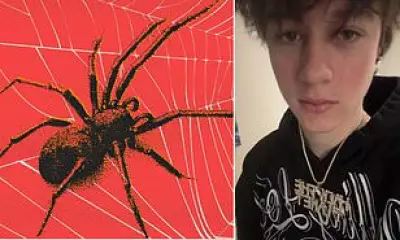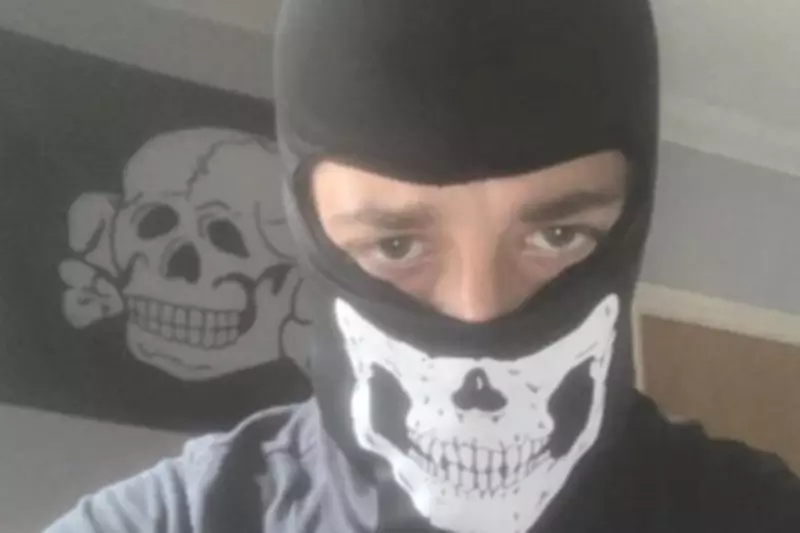
A warning has been issued to parents that more children are being drawn into extremism online, with youths now accounting for one in five counter-terrorism cases. The officer who led the Alfie Coleman terrorist investigation issued the warning after the neo-Nazi was jailed.
Police Warning on Online Radicalisation
Detective Chief Superintendent Helen Flanagan called for parents to be more vigilant, saying “horrific” terrorist manifestos and other extreme material are just “one click” away. The head of operations for the Met’s Counter Terrorism Command spoke out about the growing trend as Coleman, now 21, from Essex, was found guilty of planning a mass gun attack.
Coleman was thwarted thanks to a joint operation between police and MI5, which deployed undercover operatives to engage Coleman online as he tried to buy automatic weapons. Police swooped in to arrest Coleman moments after he picked up a Makarov handgun and ammunition in a car park in east London.

Radicalisation Started at Age 14
He was aged 19 at the time, but the process of online radicalisation began five years earlier, although his parents were unaware. Ms Flanagan told the PA news agency: “Alfie Coleman was dangerous. Clearly he was seeking to get firearms and ammunition. His intent was to carry out a terrorist attack. He posed a lethal threat to the public.”
The Old Bailey trial had heard how Coleman was aged just 14 when he first became interested in extreme right-wing material on the open web and was heavily influenced by the manifestos of neo-Nazi mass killers whom he idolised as saints and warriors.
Rising Trend in Youth Radicalisation
Ms Flanagan said: “Unfortunately we are seeing younger and younger individuals getting radicalised online. Now one in five people that we deal with in counter-terrorism is a child. We are seeing more and more referrals to Prevent at a younger age. It is a concern for us around young people getting caught into terrorism through the online influence.”
She added: “Alfie was 14 when he first started to look at content online and we had concerns about his behaviour. I think where people are living their lives online they’re getting exposed, and there is an awful lot of horrific material online that is influencing young people.”
Accessibility of Extremist Material
The officer was keen to point out that extreme material is not just on the dark web but is easily accessible through a simple online search. “I think the perception is that it’s on the dark web and your children aren’t going to be exposed to that, but it’s not, it’s on the open web. With a couple of clicks, you can certainly start to see some of that horrific material. And the more you see, obviously with algorithms, the more you’re getting exposed to. It is there available – and available to all our children,” she said.
The accessibility of manifestos by mass killers such as Anders Breivik, Dylann Roof, and Christchurch terrorist Brenton Tarrant remains an “ongoing challenge” for police, she said. Ms Flanagan said: “We’ve seen those individuals held as warriors, as people that inspire other attacks. He (Coleman) read their manifestos and then created his own manifesto around carrying out an attack. So it’s clearly concerning that we have got individuals that are influenced online and hold these people in such high regard.”
Advice for Parents
Ms Flanagan said parents and carers should take “basic steps” and initiate conversations with their children to guard against radicalisation. She said: “One click, two clicks to find material. So it’s about understanding what your children are doing and really trying to be quite intrusive with them around what they’ve been exposed to.” For more information and advice, people can contact Act Early via actearly.uk.