Alabama Prison Activists from Oscar-Nominated Documentary Moved to Solitary Confinement
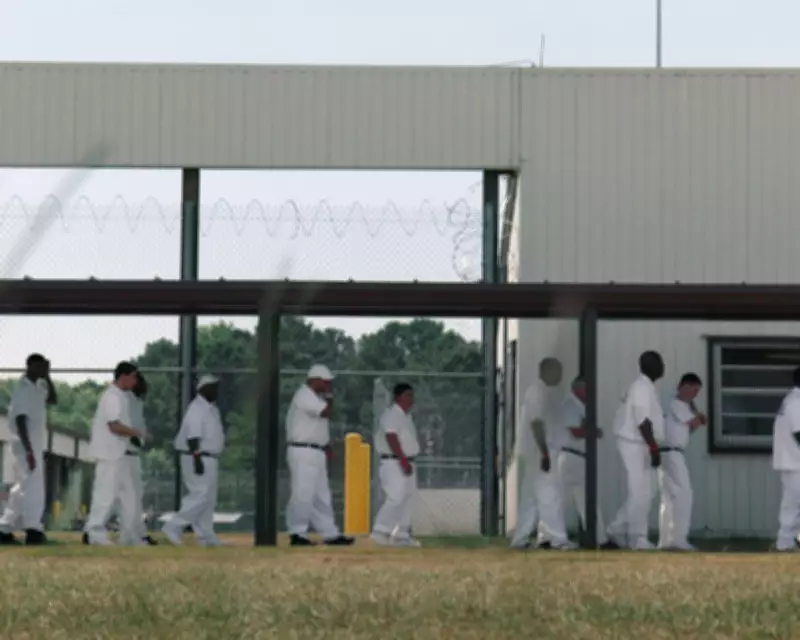
In a move that has raised significant concerns among family members and legal representatives, the Alabama prison system has transferred three well-known incarcerated activists to isolated cells with minimal contact. Robert Earl Council, Melvin Ray, and Raoul Poole, who were featured in the Oscar-nominated documentary The Alabama Solution, were moved two weeks ago to solitary confinement at the Kilby correctional facility outside Montgomery. This action comes as some groups advocate for a new prison labor strike this year, echoing the 2022 strike that garnered national attention.
Fears of Retaliation and Safety Concerns
Family members and attorneys have expressed deep fears for the safety of the three men, describing the transfers as a form of retaliation for their outspokenness about inhumane conditions within the Alabama prison system. Julie Sledd, who is close to Raoul Poole, stated to the Associated Press, "This is straight-up retaliation." She emphasised that all three activists have been actively involved in advocating for the rights of incarcerated individuals, making their isolation particularly alarming.
Since their arrival at Kilby, the men have been held in separate cells on an isolated and closely guarded floor, with limited contact. Lawyers representing them noted in a statement that they have been cut off from their families and are in isolation with no interaction with other prisoners or most staff, except for a small group of guards and supervisors. The attorneys argued that these restrictions "far exceed standard administrative segregation protocols" and highlighted the Alabama Department of Corrections' documented history of excessive force and prior retaliation, including a 2021 incident where four guards nearly killed Robert Council.

Prison System's Response and Ongoing Advocacy
The Alabama Department of Corrections cited security concerns as the reason for the transfers but did not provide specific details. In a statement emailed by spokesperson Kelly Betts, prison officials said, "The transfer of inmates is based on intelligence that they are engaged in activity that is detrimental to the safety and security of the facilities and the public." They added that all inmates are safe, secure, and receiving regular meals and services, including legal visits and phone access.
However, family members have reported difficulties in communicating with their loved ones. Earnestine Council, mother of Robert Earl Council, said she has received little information and has not been able to speak with her son. Ann Brooks, mother of Melvin Ray, expressed uncertainty, noting, "I don't know what is going to happen or what could happen," after her son managed only one call to his brother.
The transfers occur amidst calls for a new prison labor strike, similar to the 2022 protest where thousands of Alabama inmate workers refused to work in kitchens, laundries, and factories to protest conditions. Recent reports indicate that prisons have reduced the amount of food and items inmates can buy at commissaries, potentially to prevent stockpiling ahead of any strike. The prison system attributed changes in food service to a new vendor, Aramark, without further elaboration.
Impact of 'The Alabama Solution' Documentary
The Alabama Solution, which relies heavily on cellphone footage from inmates, has been nominated for an Academy Award in the documentary category, shedding light on the appalling abuses within the state's prison system. Director Andrew Jarecki expressed concern over the activists' treatment, stating, "It's particularly ironic that these men who are incredibly brave – and frankly, scholars – and have learned the law and have been leaders and always observe nonviolent means of protest, are always met with violence by authorities." This situation underscores the ongoing challenges faced by incarcerated activists and the broader issues of prison reform and human rights in Alabama.