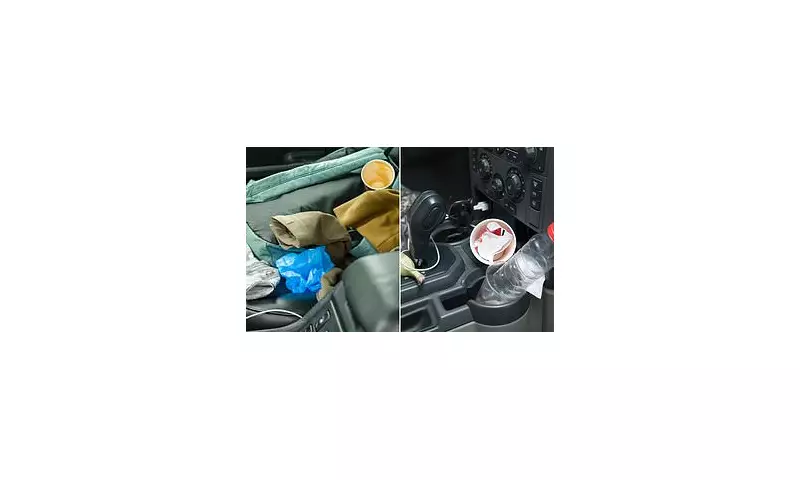
Car Owners Risk Fines and Imprisonment Over Vehicle Trash in Hilton Head's Rat Prevention Drive
Motorists in Hilton Head, South Carolina, could be hit with substantial penalties, including fines reaching $500 and potential jail time, for allowing trash to accumulate in their own vehicles under a newly enacted local ordinance. This unusual regulation, set to take effect on February 1, forms part of a broader initiative to tackle the area's escalating rat population by eliminating potential food sources and nesting sites.
Legal Provisions and Enforcement Measures
The law is formally categorised under 'conditions affording food or harborage for rats' within the town's public documents. It explicitly prohibits the placement, dumping, or accumulation of garbage, rubbish, or trash in any building, vehicle, or surrounding areas within Hilton Head if such materials could provide sustenance or shelter for rodents. The legislation states: 'It shall be unlawful for any person to place, leave, dump or permit to accumulate any garbage, rubbish or trash in any building, vehicle and their surrounding areas in the town so that the same shall or may afford food or harborage for rats.' Any breach is deemed a statutory nuisance.
Violations carry severe consequences, with penalties including a fine not exceeding $500, imprisonment for up to 30 days, or both. Furthermore, each day that an offence continues constitutes a separate violation, allowing for cumulative charges. The town reserves the right to pursue additional legal remedies to rectify any infractions, beyond the imposition of fines or custodial sentences.

Context and Community Impact
Hilton Head, renowned for its scenic beaches, has been grappling with a persistent and growing rat infestation. Local pest control services emphasise that prevention is crucial in managing rodent populations, urging residents and businesses to conduct regular inspections, seal entry points, and manage waste effectively to reduce attractions for rats. These community-led efforts are considered vital in maintaining a rat-free environment in the coastal town.
This development follows recent controversial legislative proposals elsewhere, such as a PETA initiative in Delaware that sought to mandate dog owners to walk their pets at least three times daily under threat of a $500 fine. While that proposal highlighted animal welfare concerns, including exercise and mental stimulation for dogs, it faced significant backlash from pet owners who argued it failed to account for breed-specific needs and varying health requirements. The Hilton Head law, by contrast, focuses squarely on public health and pest control through stringent waste management rules.