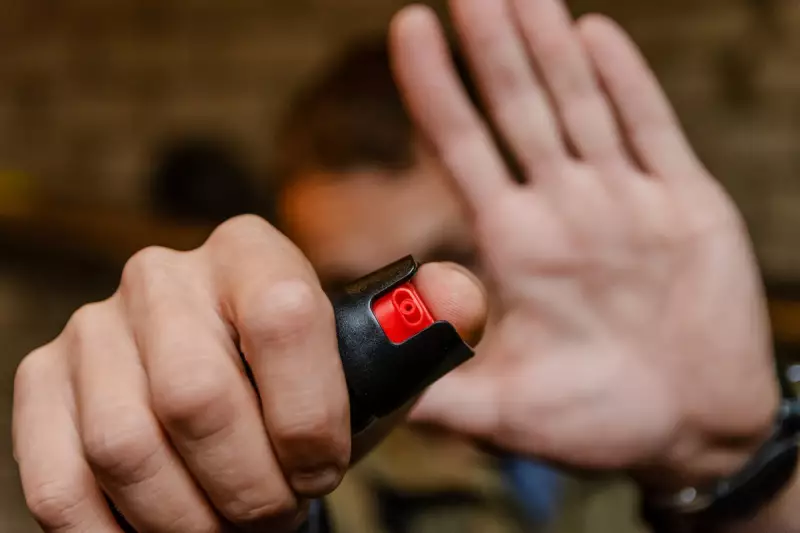
The High Court has delivered a controversial verdict, ruling that the use of a synthetic pepper spray known as Pava on teenage inmates is lawful. The decision comes despite fierce opposition from children's commissioners, inspectors, and penal reform charities who argue it represents a dangerous escalation and a profound failure of the youth justice system.
A Decision Against Expert Advice
The legal challenge was brought by the Howard League for Penal Reform, which sought a judicial review of the government's authorisation. In April 2025, the then Justice Secretary, Shabana Mahmood, sanctioned the use of Pava spray in three young offenders' institutions (YOIs) – Feltham A, Werrington, and Wetherby – for a 12-month trial period. This was a direct response to reported increases in violence against both staff and children.
However, during the litigation, it emerged that the government's own assessments predicted the spray would not reduce overall levels of violence and harm. In fact, officials acknowledged it could cause a "long-term escalation and rising tenor of violent behaviour". Furthermore, the impact assessments showed the spray would likely be used in a racially disproportionate manner, disproportionately affecting Black and Muslim children, as well as those with disabilities.

Andrea Coomber KC (Hon.), chief executive of the Howard League, expressed deep frustration at the court's dismissal of their claim. "Every single stakeholder consulted, bar the Prison Officers' Association, expressed concern," she noted, referencing objections from the Youth Justice Board, the Children's Commissioner, HM Inspectorate of Prisons, and NHS England.
Deepening Trauma in a Broken System
The ruling arrives as the Howard League's legal advice line has already been receiving calls from children in English prisons reporting being sprayed in the eyes. They describe being left "rolling around and screaming in pain." The charity argues that introducing a chemical irritant, classified as a prohibited weapon under the Firearms Act 1968, into institutions holding children as young as 15 will only breed further distrust and anxiety among an already traumatised population.
This perspective is shared by many frontline staff. Coomber stated she has lost count of the number of prison officers who have privately shared their opposition, fearing it will "do little more than breed distrust and feed anxiety." The court and the justice secretary were reportedly reassured by promises that Pava would be used "extremely rarely" and as a last resort, but early indications suggest this may not be the case.
The decision, critics say, ignores the root causes of violence within these institutions. A damning picture of life inside the YOIs has been painted by inspectors. In the three prisons where Pava is authorised, many children are locked in their cells for 20 hours a day, often more at weekends, with little access to their statutory 15 hours of education or purposeful activity. Nearly half are on remand, meaning they are not yet convicted.
A Call for Systemic Change, Not Chemical Quick-Fixes
Charlie Taylor, the Chief Inspector of Prisons and a former head teacher, has been highly critical of staff capability to de-escalate conflict and their propensity to use force unnecessarily. In a report on Feltham A, he noted that despite high use-of-force rates, body-worn cameras were not consistently activated and children were often not asked for their account of incidents.
"The violence was the result of frustration at unpredictable regimes and not having their basic needs met," children told the inspectorate. The Howard League's firm view is that weaponising these institutions with Pava spray is the wrong answer to a complex problem. It is a "cheap fix that will only make things worse."
The solution, they argue, lies in dismantling a system that has failed children for decades. This requires political will and investment in alternatives that address the causes of violence, rather than deploying a chemical agent that risks deepening the cycle of harm for some of the state's most vulnerable and traumatised children.