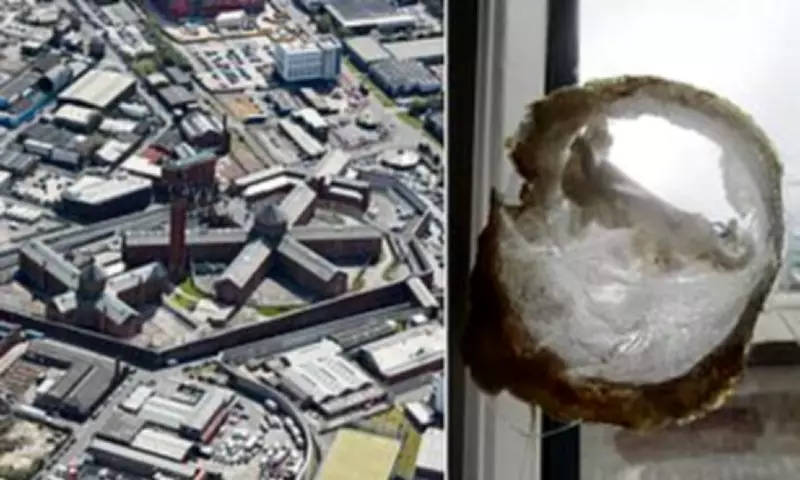
Efforts to address a severe drone problem at a high-security prison are being significantly hampered by heritage considerations regarding the installation of protective grilles on its historic Victorian windows. HMP Manchester, a Grade II listed facility, aims to enhance security by fitting cell windows with robust barriers designed to impede drone deliveries of contraband, particularly drugs.
Heritage Versus Security: A Complex Balancing Act
Charlie Taylor, the Chief Inspector of Prisons, has previously highlighted how prison governors have effectively surrendered airspace above the jail to organised criminal gangs. Inspections have revealed that inmates at HMP Manchester, commonly known as Strangeways, have resorted to using kettle filaments to melt through plastic windows, thereby facilitating drone drops.
However, the initiative to install new security grilles has encountered delays due to heritage concerns associated with the 158-year-old listed structure. Manchester City Council has yet to approve planning permission for these grilles, despite explicit warnings that the drone issue poses a substantial threat to national security.

Frustration Over Bureaucratic Delays
Tom Wheatley, president of the Prison Governors' Association, emphasised the need to strike a balance between preserving a historic building and operating a high-security prison. He noted that heritage considerations have undoubtedly complicated the implementation of necessary security measures, expressing concern over the sluggish pace of progress from the association's perspective.
A prison source criticised the Ministry of Justice's cumbersome bureaucratic procurement processes and its failure to expedite planning permissions, which are seen as exacerbating HMP Manchester's drug problem. An unannounced inspection in October 2024 found that 39 percent of prisoners tested positive in mandatory drug tests, although some improvement has been noted. Nonetheless, there is profound frustration over the prolonged timeline for installing the new security features.
Escalating Drone Incidents and Criminal Operations
The use of drones has surged dramatically in recent years, with HMP Manchester recording at least 220 incidents in a single 12-month period—the highest number across prisons in England and Wales. Criminal gangs typically operate in pairs, employing sophisticated remote-controlled devices that range in cost from a few hundred to tens of thousands of pounds. These drones are used to smuggle contraband such as mobile phones, drugs, and even takeaway meals into the prison.
Sources indicate that drone drops can be executed in as little as 20 seconds, carrying packages weighing up to 7 kilograms. Gangs within the prison often hire external drone operators, paying tens of thousands of pounds per delivery, a process likened to ordering a package from Amazon due to its efficiency.
Impact on Prison Security and Law Enforcement
Last year, Greater Manchester Police seized over 500 mobile phones, predominantly iPhones, and SIM cards from inmates at HMP Manchester. Detective Sergeant Carla Dalton warned that phones behind bars are frequently used to orchestrate drug deals, coordinate weapon drops, and plan violent attacks, underscoring the critical security risks posed by contraband.
An MoJ spokesman acknowledged the inherited crisis, noting a staggering 770 percent increase in drone incidents between 2019 and 2023. In response, the government is investing £40 million in new security measures to combat contraband that fuels violence, including £10 million specifically allocated for anti-drone initiatives such as window replacements, external grilles, and specialist netting.
Manchester City Council confirmed that planning permission has been granted for new secure windows, but consent for the accompanying security grilles remains under consideration. A council spokesman stated that it would be inappropriate to comment on the live application during the legal process, but emphasised that, given the building's listed status, heritage perspectives will always be part of the evaluation.