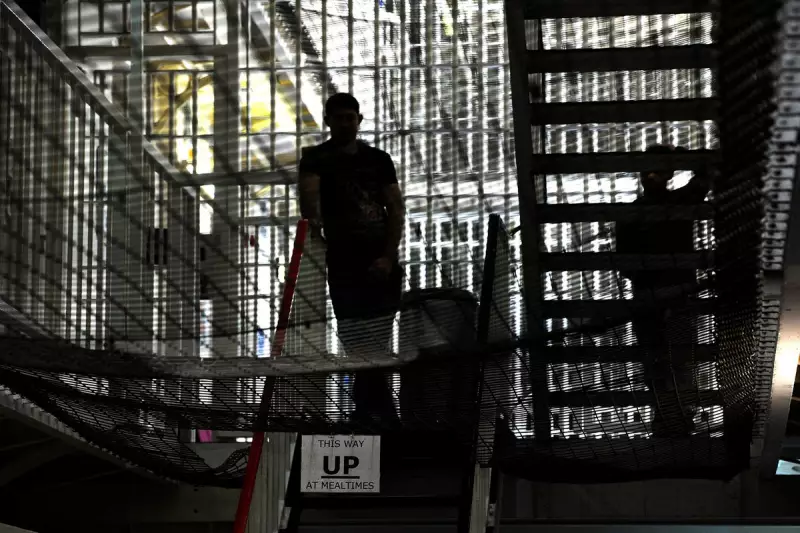
In a bold move to address chronic prison overcrowding, Italy has approved measures to grant early release to thousands of inmates. The decision, announced by Justice Minister Carlo Nordio, could see up to 6,000 prisoners freed before completing their sentences.
A Crisis Decades in the Making
Italy's prison system has struggled with overcrowding for years, with facilities currently operating at 120% capacity. The situation has drawn repeated criticism from human rights organisations and European courts.
Who Qualifies for Early Release?
The scheme will prioritise:

- Inmates with less than 18 months remaining on their sentence
- Those convicted of non-violent offences
- Prisoners demonstrating good behaviour
Violent criminals, mafia members and those convicted of terrorism or sexual offences will be excluded from the programme.
Controversial but Necessary
While some politicians have criticised the move as being soft on crime, supporters argue it's a pragmatic solution to an urgent problem. "This isn't about being lenient," explained Minister Nordio. "It's about bringing our prison system in line with basic human rights standards."
The decision comes after the European Court of Human Rights ruled Italy's prison conditions violated inmates' rights. Overcrowding has led to increased violence, poor sanitation and limited access to healthcare in many facilities.
What Happens Next?
Prison authorities will begin reviewing eligible cases immediately, with the first releases expected within weeks. The government has pledged to combine this measure with longer-term reforms, including:
- Expanding alternative sentencing programmes
- Investing in prison infrastructure
- Improving rehabilitation services
Critics warn that without proper support systems, early release could lead to higher reoffending rates. The government has promised additional funding for reintegration programmes to address these concerns.