The Labour government has performed a significant policy reversal, abandoning plans to publicly 'name and shame' individuals completing unpaid community work. The controversial proposal would have seen the photographs and names of offenders published on government websites and promoted in local media.
Policy Reversal Following Backlash
Ministers have officially dropped the scheme, which was first revealed by the Guardian. The plan faced substantial criticism from probation experts and backbench MPs who argued it could humiliate the families of offenders, particularly children. The Ministry of Justice has accepted an amendment to the sentencing bill that removes the right to publish offenders' names and photographs.
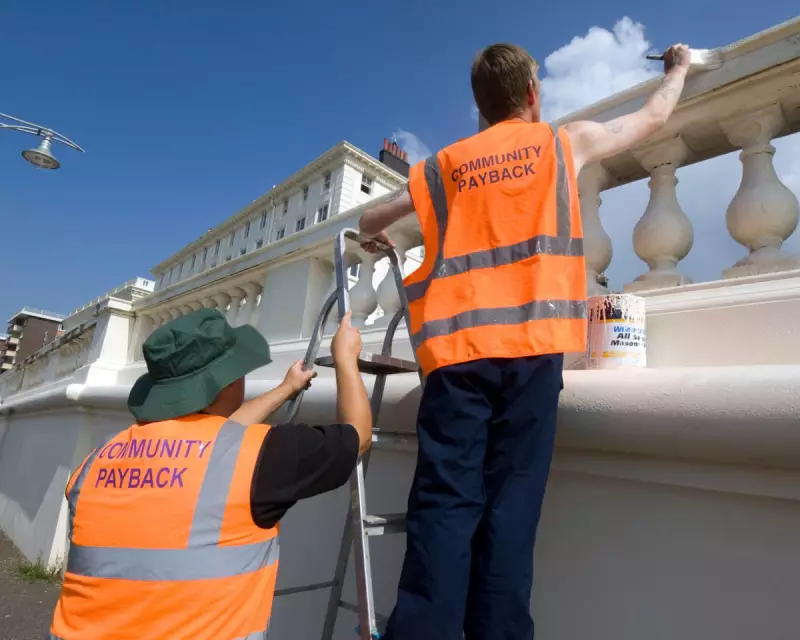
Officials had initially argued that publicising details of those undertaking community payback – often seen wearing hi-vis jackets marked 'community payback' – would demonstrate to the public that justice was being delivered. Nearly 5 million hours of unpaid work were carried out in the year to April 2024, with the government planning a rapid expansion of the scheme.

Concerns Over Impact on Rehabilitation
The proposed powers, written into clause 35 of the sentencing bill, were met with strong opposition from senior figures within the probation service. Martin Jones, HM Chief Inspector of Probation, warned the policy could lead to more offenders dropping out of their sentences. "If offenders are turning up to do the work I do not see a reason why they should also have their images published," he stated.
Ian Lawrence, general secretary of the probation officers' union Napo, highlighted the potential damage to offenders' families. "This proposed policy serves no value to the rehabilitation of offenders but could have potentially devastating effects on innocent family members, namely children," he said.
Minister Announces U-turn in Lords Debate
Lord Timpson, the prisons minister, announced the government's decision to drop the policy during a House of Lords debate on the sentencing bill earlier this month. He stated, "I am satisfied that the current delivery of unpaid work, bolstered by the wider provisions in the bill, means that unpaid work will continue to be tough and visible enough without the addition of this specific measure."
This U-turn adds to a series of policy reversals for Prime Minister Keir Starmer's government, which has faced criticism for chaotic management on issues ranging from ID cards to pub taxes. The sentencing bill will now return to the House of Commons for final agreement.
A Ministry of Justice spokesperson said: "The sentencing bill will make community sentences even tougher through increased tagging and restriction zones, with unpaid work ensuring offenders give back to society and benefit the communities they’ve harmed."