A prolonged hunger strike by UK prisoners, described by participants as a "last ditch effort" to secure a fair trial and challenge the proscription of Palestine Action, has largely concluded after 73 days, though one protester continues to refuse food. The action, which began in November, saw several participants reach critical health stages, with one key demand being met as the government opted against awarding a major defence contract to Israeli arms firm Elbit Systems UK.
Strike Ends Amid Health Crisis and Partial Victory
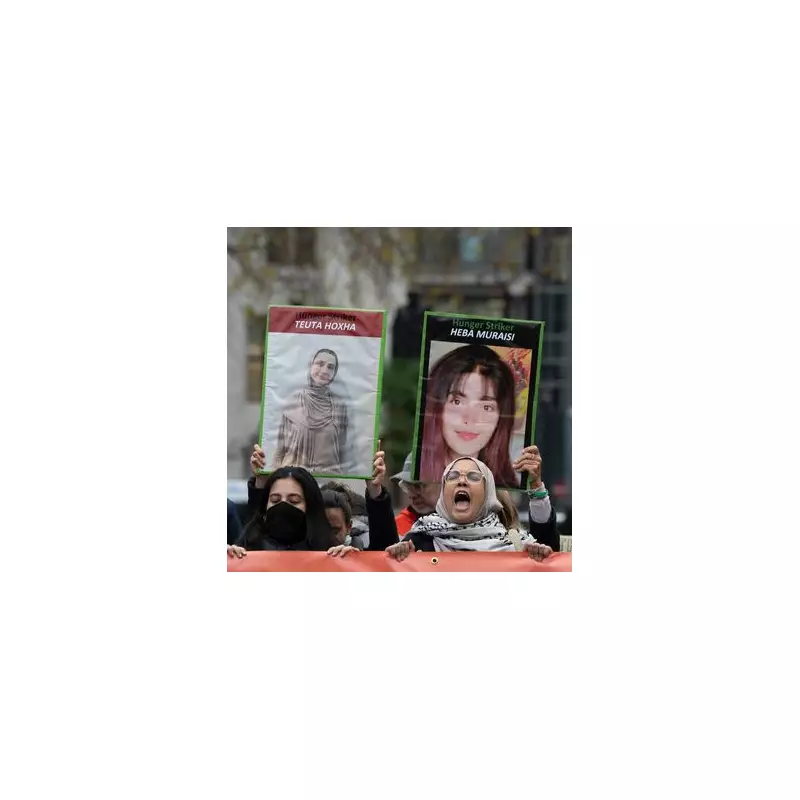
The collective protest, the longest of its kind in British prisons since the 1981 IRA hunger strikes, involved seven individuals: Qesser Zuhrah, Amu Gib, Heba Muraisi, Teuta Hoxha, Kamran Ahmed, Umar Khalid, and Lewie Chiaramello. Three of the hunger strikers ended their 73-day fast after the government decided not to grant a £2 billion Ministry of Defence contract to Elbit Systems UK. This was among their core demands, which also included the de-proscription of Palestine Action as a terrorist organisation and the disclosure of communications between Elbit and the government.
Others were forced to pause earlier due to severe health deterioration. Kamran Ahmed, 28, was hospitalised six times during his 65-day strike, while Heba Muraisi endured uncontrollable muscle spasms and breathing difficulties. Lewie Chiaramello, who has type 1 diabetes, conducted an alternate-day fast for 52 days. As of mid-January, 22-year-old Umar Khalid remains on hunger strike, having resumed his protest on January 10 after a previous pause.

Government Rejects Intervention as Health Risks Linger
The government has firmly rejected calls for ministerial intervention. In a statement provided via the Ministry of Justice, Minister of State for Prisons Lord Timpson said: "It would be entirely unconstitutional and inappropriate for Ministers to intervene in ongoing legal cases." The statement emphasised that hunger strikes are not uncommon in prisons, with an average of over 200 per year over the last five years, and that NHS prison healthcare teams continuously monitor participants.
However, the end of the strike has brought new dangers. Medical experts warn of refeeding syndrome, a potentially fatal condition caused by a rapid reintroduction of food. MP Zarah Sultana revealed that Teuta Hoxha, who ended her strike after 58 days, has been hospitalised and is "at imminent risk of death" from related complications. Amu Gib, who paused after 50 days, remains physically weak without formal medical advice on refeeding.
Legal Battles and Campaigner Support Continue
The prisoners, all held on remand and not expected to stand trial for another year—with one case delayed until 2027—have launched a legal challenge. Their lawyers submitted a pre-action letter to Justice Secretary David Lammy on December 22, accusing the government of neglecting its own prison safety policies. Campaigners label the extended pre-trial detention a "grotesque violation" of British justice.
The movement has garnered significant support. MP Zarah Sultana has been a vocal advocate, calling the prisoners' demands "entirely reasonable." Hundreds of public figures, including authors Sally Rooney and Naomi Klein, and activist Greta Thunberg—who was arrested at a related demonstration—have expressed solidarity. The campaign's impact is credited with influencing public discourse and the government's decision on the Elbit contract, though the company's UK sites remain open.
With one hunger striker continuing and the health of others in a precarious state, the battle now moves to the courts as the group fights for bail, fair trials, and the right to protest.