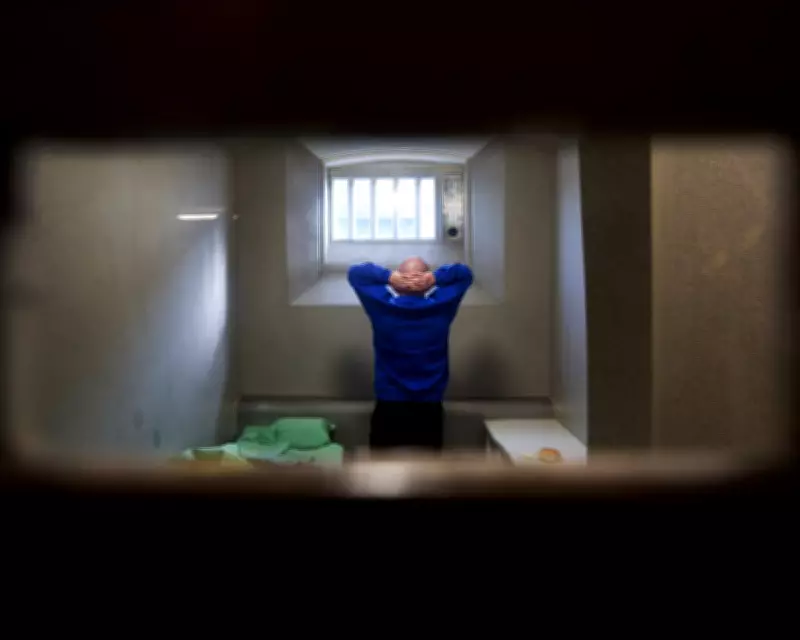
Record Number of Offenders Recalled to Prison in England and Wales
Exclusive data reveals a dramatic surge in the number of offenders being recalled to prison across England and Wales, with union officials raising alarming claims that some individuals are deliberately breaking their probation terms to return to jail and deal drugs. The recalled prisoner population has more than doubled in recent years, escalating from approximately 6,300 in June 2018 to a staggering 13,500 by June 2025. This sharp increase is placing immense strain on an already overburdened prison system and contributing significantly to the ongoing overcrowding crisis.
Deliberate Breaches for Lucrative Drug Markets
The Prison Officers' Association (POA) has presented compelling evidence suggesting that many recalled prisoners are intentionally violating their licence conditions to re-enter correctional facilities and profit from the lucrative illicit drug trade operating within prison walls. Mark Fairhurst, the national chair of the POA, stated emphatically that frontline officers have observed this troubling pattern firsthand. "HMPPS must listen to the voice of the frontline and ensure that recalled prisoners receive their basic entitlements and nothing more," Fairhurst asserted. "We know many recalls deliberately return to traffic illicit drugs. We must ensure the regime for recalled prisoners is robust and austere."
Early Release Schemes and December Spike
Prison sources have disclosed particularly concerning figures from December, when as many as 5,000 men were recalled to custody following the implementation of early release schemes. This number represents more than a third of the total offenders released in the year leading up to June 2025. The current system allows prisoners serving sentences for less serious crimes to be freed after serving just 40% of their jail terms, a reduction from the previous 50% requirement. Furthermore, from autumn onwards, prisoners are expected to have their release dates brought forward even further, making them eligible for release after serving only one-third of their sentences.

Probation System Under Immense Pressure
The probation service is facing unprecedented challenges, with approximately 6,000 probation officers across England and Wales currently responsible for supervising more than 240,000 individuals in the community. This caseload includes increasing numbers of dangerous former prisoners who require careful monitoring. Tania Bassett, a national official at the probation officers' union Napo, highlighted how the growing workload is directly contributing to the rising recall numbers. "Whilst we recognise recall increases around Christmas, these figures suggest a far more deeply rooted issue," Bassett explained. "Probation is in a staffing and workload crisis and has been for years. This results in a risk adverse workforce who will recall because they simply don't have the time or space to engage with people."
Recall Reasons and Systemic Issues
Analysis of recall data reveals that more than half of all recalls are associated with non-compliance with licence conditions, including failures to maintain contact with probation services and reside in approved premises. Approximately 20% of recalls involve individuals facing further offence charges. There are growing concerns that too many prisoners are being released into communities without adequate housing or support structures, a consequence of early release schemes implemented primarily to alleviate prison overcrowding pressures.
Drug Accessibility and Legislative Changes
A report published by the prisons watchdog in October delivered a stark warning about drug accessibility within correctional facilities, noting that prisoners are frequently offered a "menu of drugs" at prices up to one hundred times their street value. In response to these systemic challenges, the Sentencing Act recently received royal assent with the intention of updating recall policies and reducing the size of the recall population. Ministers are eliminating the use of short-term recalls lasting 14 and 28 days, instead implementing a system where those returning to jail for breaching licence conditions will be eligible for release after 56 days.

Government Response and Future Measures
A Ministry of Justice spokesperson addressed the concerning statistics, stating: "Public protection is our priority so offenders out on licence face strict conditions such as being tagged and can be hauled back to prison if they break these rules. Since 2018, recalled offenders have doubled – a symptom of the prison crisis this government inherited. That's why we're reforming recall and building 14,000 extra places, to make sure punishment cuts crime, reduces reoffending and keeps victims safe." The latest quarterly figures, scheduled for release on Thursday, are anticipated to show a further increase in recall numbers over the three-month period ending in September, indicating that this troubling trend shows no immediate signs of abating.