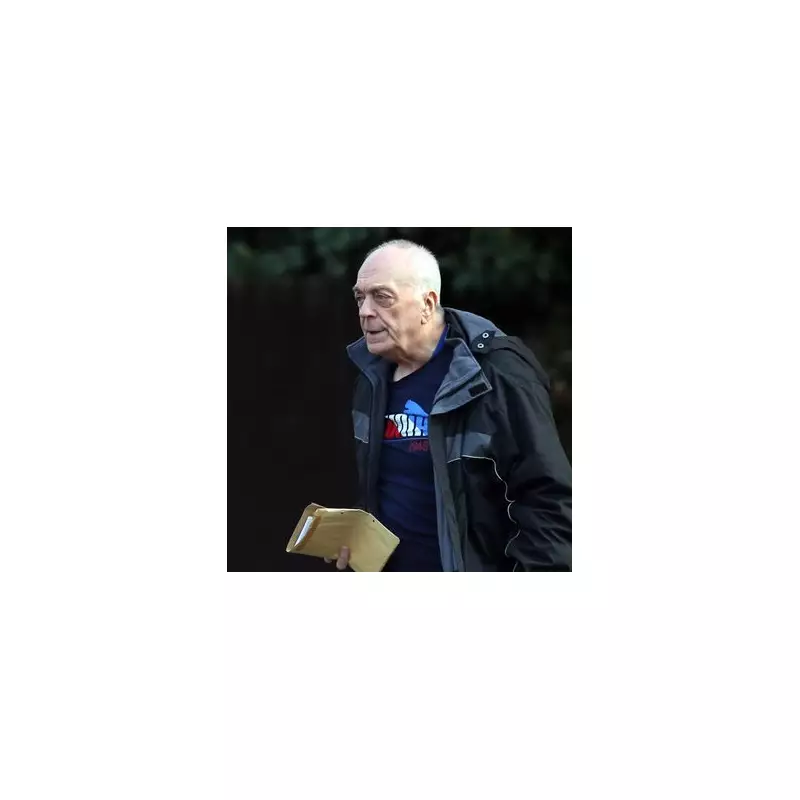
Harry Roberts, one of Britain's most notorious murderers, has died at the age of 89, bringing an end to a life defined by a single act of brutal violence that shocked the nation. Roberts passed away on Saturday, December 13, following a short illness while living in sheltered accommodation in Peterborough. He had been released on licence in 2014 after serving 48 years in prison for the execution-style killings of three Metropolitan Police officers in 1966.
The Braybrook Street Massacre: A Crime That Shocked a Nation
The events of August 12, 1966, forever branded Harry Roberts as a figure of unique infamy. He was in a van with associates John Duddy and John Witney in Shepherd's Bush, west London, when they were stopped for a routine check by three officers. Unbeknownst to the policemen, the trio were armed and planning robberies later that day.
Detective Sergeant Christopher Head, 30, Detective Constable David Wombwell, 25, and Police Constable Geoffrey Fox, 41, were mercilessly gunned down. DC Wombwell died at the scene. DS Head was shot in the back, and PC Fox was killed by a shot through the windscreen of the unmarked police car. The cold-blooded nature of the attack, which became known as the 'Braybrook Street massacre', triggered widespread public outrage and grief.

Roberts, who had military training, then evaded capture in a massive manhunt for 96 days before finally being apprehended. He was later convicted and sentenced to life imprisonment. In a chilling reflection, he once described the murders as "electrifying".
Outrage Over Release and a Legacy of Violence
Roberts's release on licence in 2014, after nearly five decades behind bars, reignited anger, particularly among the police community. That anger has resurfaced with news of his death. Matt Cane, general secretary of the Metropolitan Police Federation, stated: "The three officers murdered by Roberts never got a chance to grow old. The life sentence for their loved ones still continues. Life should mean life if you murder a police officer in the course of their duties – Roberts should never have been freed."
His death marks the seventh in a series of high-profile UK criminals who have died in recent years after serving decades-long sentences. These individuals, whose crimes spanned murder, rape, and paedophilia, collectively stole the lives and peace of mind from dozens of victims.
A Grim Roll Call: Other Notorious Criminals Who Have Died
Ian Watkins: The former Lostprophets singer, described by a judge as having "plunged into new depths of depravity", died earlier this year after being stabbed in prison. He was serving a 29-year sentence for a series of horrific child sex offences, including the attempted rape of a baby.
Derek Brown: Known as the 'Modern Ripper', the double murderer was found guilty of killing two women in London's Whitechapel in 2007. He died aged 64 in August this year while serving a 30-year minimum term at HMP Wakefield.
Gene Benjamin: A serial rapist who terrorised women in Bournemouth and Dorset, strangling and attacking them with weapons. He was given four life sentences in 2011 and died in HMP Wakefield in 2022, aged 64.
Peter Sutcliffe: The 'Yorkshire Ripper' murdered 13 women and attempted to kill seven others in the 1970s and early 80s. He died from COVID-19 complications in November 2020, aged 74, while serving a whole-life tariff at HMP Frankland.
Dennis Nilsen: The 'Muswell Hill Murderer' killed and dismembered at least 15 young men in London. He died in May 2018, aged 72, in HMP Full Sutton while serving a whole-life sentence.
Ian Brady: One half of the Moors Murderers, Brady was convicted of torturing and murdering five children in the 1960s. He died in a high-security psychiatric hospital in May 2017, aged 79.
Colin Ireland: Dubbed the 'Gay Slayer', he murdered five men in London in 1993. He died of natural causes in HMP Wakefield in 2012, aged 57.

The death of Harry Roberts closes a final chapter on one of post-war Britain's most infamous crimes. However, for the families of DS Head, DC Wombwell, and PC Fox, and for the countless other victims of the criminals listed, the legacy of trauma and loss endures far beyond the lifespan of those who inflicted it.