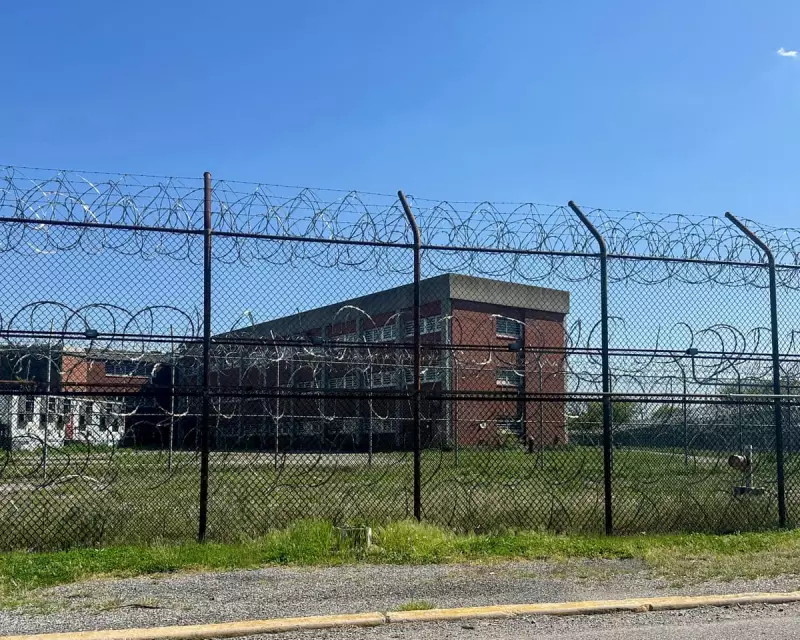
The horrific violence endemic within many American state prisons is a deliberate policy choice, not an inevitability. This is the stark conclusion drawn from a series of devastating investigations and first-hand accounts that have pierced the opaque walls of correctional facilities, revealing a system where brutality is routine and oversight is critically lacking.
A Culture of Violence and Secrecy
The recent deaths of two handcuffed men, Robert Brooks and Messiah Nantwi, in New York state prisons acted as catalysts for a major New York Times investigation. It found guards employed violence at alarming rates. The public, largely unaware of what their tax dollars fund behind bars, is now confronting these grim realities. However, the problem is national in scope.
States with the highest incarceration rates—including Louisiana, Mississippi, Missouri, Oklahoma, Arkansas, and Alabama—repeatedly see watchdogs uncover horrific conditions. These range from medical neglect, linked to at least 50 deaths, to systems like Mississippi's where authorities cannot even account for the number of fatalities. In this environment, independent oversight is often the only barrier preventing a prison sentence from becoming a death sentence.

Contraband Phones Shed Light on a 'Lawless' System
With formal oversight failing, a clandestine tool has become crucial for transparency: contraband mobile phones. Smuggled in and sold on the black market, these devices have captured deplorable conditions in grainy, devastating detail. Nowhere is the crisis more acute than in Alabama, where close to 300 incarcerated people died in 2024, with over 100 perishing in just the first half of 2025.
The new documentary The Alabama Solution, co-produced by the author, uses this footage to reveal a system described as lawless and predatory. The film shows a Hobbesian world of stabbings, rampant drug use, and profound neglect. Astonishingly, the state often fights harder to criminalise the cellphones that expose this cruelty than to address the cruelty itself.
Lived Experience and the Path to Reform
Alex Duran, who served 12 years in New York prisons, recognises his own traumatic experiences in the Alabama footage. He recalls nights filled with screams from guard beatings and mornings discovering suicides after pleas for mental healthcare went unanswered. This firsthand knowledge underscores why reform must include those with lived experience.
A 2024 review by the National Conference of State Legislatures found that only 19 states have fully independent, permanent prison oversight bodies. However, there are glimpses of a better way. A visit to Maine State Prison revealed incarcerated people using email and Zoom under programmes instituted by a forward-looking commissioner, demonstrating that technology access need not be a threat when leadership has nothing to hide.
New York has taken a tentative step, with Governor Kathy Hochul signing an overhaul of the State Commission of Correction. The law expands the commission and mandates the inclusion of people with incarceration experience and health expertise. Its success hinges on whether it creates real accountability or becomes another bureaucratic layer.
The brutality in prisons from New York to Alabama is woven into America's fabric. Originally conceived as a 'civilised' alternative to the gallows, prisons were from the start filled with society's marginalised, with mortality rates matching the barbaric punishments they replaced. Two and a half centuries later, the system remains deadly. As US Supreme Court Justice Louis Brandeis argued, sunlight is the best disinfectant. Nowhere is that light more desperately needed than behind the nation's prison walls.