Legal Experts Outline Strategies to Compel Epstein Files Release After DoJ Deadline Passes
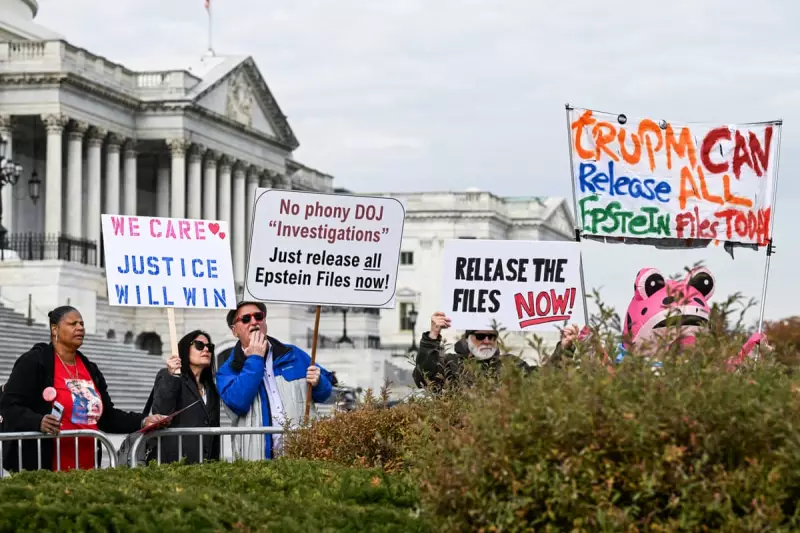
Protesters gathered in Washington DC on 18 November 2025, demanding the full disclosure of investigative files related to Jeffrey Epstein, as the deadline for release under the Epstein Files Transparency Act (EFTA) has lapsed without compliance from Donald Trump's Department of Justice. The disgraced financier and convicted sex trafficker dominated headlines throughout 2025, with public outrage mounting over the secrecy surrounding documents that could reveal connections to high-profile figures across the political spectrum.
Congressional Action and Legislative Shortfalls
Federal lawmakers previously took initiative by issuing subpoenas and passing legislation, signed into law by Trump, mandating the DoJ release these files by 19 December. However, only a fraction of the required disclosures have been made, failing to provide transparency on how Epstein operated with impunity for years. The recent cessation of document releases has left victims and advocates in limbo, with no significant progress toward accountability.
Legal experts highlight that the EFTA lacks enforcement mechanisms, such as judicial review or public litigation pathways, which complicates efforts to hold the DoJ accountable. Mark Zaid, a national security attorney, noted that this oversight necessitates potential amendments to the legislation to create explicit judicial oversight, as current provisions are insufficient to ensure compliance.

Legal Avenues and Victim Advocacy
Mitchell Garabedian, an attorney with decades of experience representing sexual abuse victims, emphasised a dual approach: seeking court relief for untimely releases and leveraging public advocacy. "The release of the files is an important step in transparency, which will help victims try to gain at least a degree of healing, closure and validation," he explained. Garabedian urged Epstein survivors to continue using their public voice to raise awareness and pressure authorities.
Spencer Kuvin, who has represented numerous Epstein victims, echoed this sentiment, stating that transparency must be forced through legal means. "These files will not be released just because it's the right thing to do – history shows they only come out when someone forces the issue," he said. Kuvin pointed to litigation, Freedom of Information Act enforcement, and judicial orders as critical tools, given the DoJ's apparent non-compliance.
Congressional and Judicial Challenges
Democratic Congressman Ro Khanna and Republican Congressman Thomas Massie, co-sponsors of the EFTA, expressed determination to explore all legal options to ensure file release. Khanna acknowledged that a recent judicial response raised legitimate concerns about DoJ compliance, while Massie affirmed ongoing efforts to use available avenues for enforcement.
Neama Rahmani, a former federal prosecutor, suggested that Congress should sue for the records' release to obtain a court order, which could lead to sanctions if violated. However, he noted the complexity of such actions, as the DoJ typically enforces such orders but is now the target. "It's bizarro world where there's a law and the DoJ is not following the law," Rahmani remarked, highlighting the unusual legal landscape.
Implications for Victims and Future Steps
For Epstein's survivors, this impasse is described as devastating and retraumatising, with years of waiting for truth and justice. Legal pressures, though fraught with complications, remain a focal point. Experts agree that sustained public scrutiny, combined with potential legislative amendments and court interventions, is essential to drag transparency forward.
As the DoJ and White House have not responded to requests for comment, and representatives for Ghislaine Maxwell remain silent, the path forward relies on continued advocacy and legal perseverance. The situation underscores broader issues of accountability and transparency within governmental institutions, with victims and advocates calling for urgent action to fulfil promises made under the EFTA.