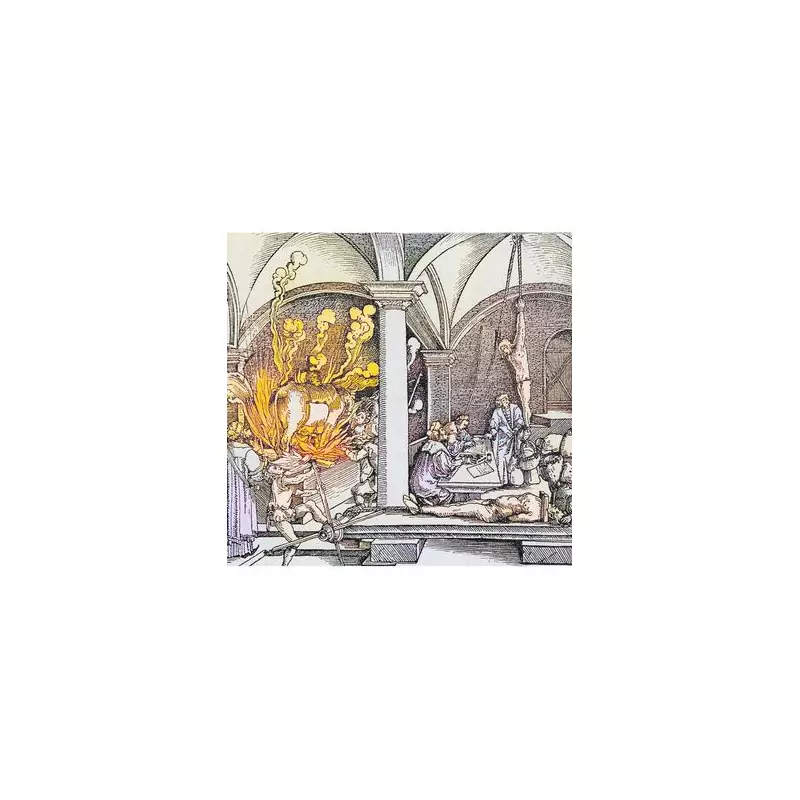
Few methods of execution in the ancient world were as deliberately cruel and theatrically horrifying as the Brazen Bull. This diabolical invention, hailing from Ancient Greece, was engineered not merely to end a life, but to transform human agony into a terrifying public spectacle.
The Mechanics of a Nightmare
The device was a life-sized, hollow sculpture of a bull, meticulously crafted from bronze. According to historical accounts, it was invented in the 6th century BC by an Athenian craftsman named Perilaus. He presented his creation to Phalaris, the tyrannical ruler of Acragas in Sicily, as the ultimate deterrent for criminals.
The condemned person was locked inside the hollow chamber. A fire was then lit beneath the bronze cast, slowly heating the metal to an unbearable temperature. The victim would roast alive, remaining conscious for what could be up to ten agonising minutes.

A Grotesque Sound System
The bull's true ingenuity, and horror, lay in its acoustic design. The head was fitted with a complex system of tubes and chambers. As the person inside screamed in torment, the sound was distorted, emerging from the bull's mouth not as human cries, but as the bellowing roar of an enraged animal. To the gathered onlookers, it appeared the bull itself was coming to life.
A Legacy of Tyranny and Martyrdom
Legend has it that Phalaris was so impressed with the bull's demonstration that he tested it on its creator, Perilaus. After being locked inside, Perilaus was reportedly removed at the last moment, only to be executed by being thrown from a hill. The bull became Phalaris's favourite tool for disposing of enemies, with some sources claiming he even had his victims' bones made into jewellery. His reign ended in 554BC when he was overthrown and, in a twist of poetic justice, was said to have been executed inside the bull himself.
Historians debate how frequently the bull was used, but its infamy persisted for centuries, particularly in accounts of early Christian persecution. Tradition states that Saint Eustace and his family were roasted alive in the bull under Emperor Hadrian. Saint Antipas, Bishop of Pergamum, is recorded as being martyred inside it in 92CE during Emperor Domitian's persecutions. Centuries later, Pelagia of Tarsus is said to have met the same fiery fate in 287CE under Emperor Diocletian.
The Brazen Bull stands as a chilling testament to the depths of human cruelty, a weapon of terror designed to extinguish life in the most prolonged and horrifying manner imaginable.