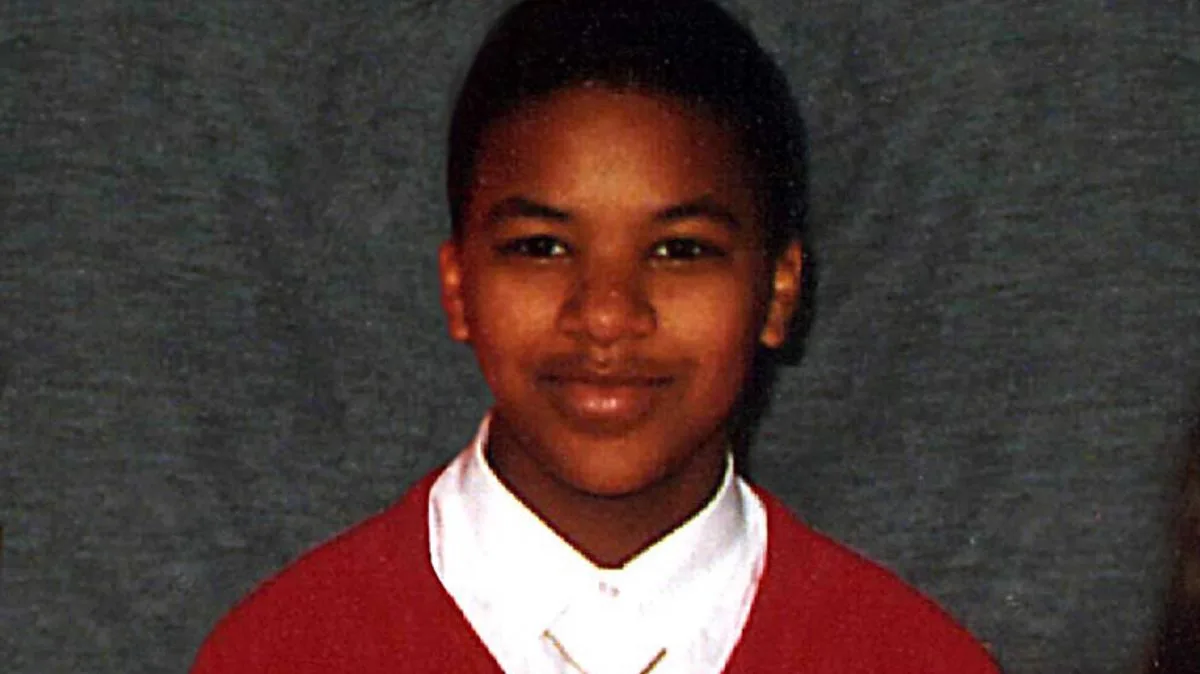
Sharon Carr, who at 12 became Britain's youngest female murderer, has been cleared for a move to an open prison. Carr, now 45, was convicted of stabbing 18-year-old Katie Rackliff more than 30 times in June 1992 as she walked home from a nightclub in Farnborough, Hampshire.
Despite still posing a potential danger, Carr has been recommended for transfer to open conditions by the Parole Board. The final decision rests with Justice Secretary David Lammy. Carr has a history of violence in custody, including attacking prisoners and staff, and attempting to strangle two nurses.
A summary of the parole board ruling noted that Carr continued to show 'evidence of active risk factors' including 'strong sexual attachments or feelings towards others and being unable to cope with rebuffs'. However, it also stated that she has admitted the murder and 'shown insight' into her offending, completing specialist work to understand her behaviour.

A prison psychologist opposed the move, recommending 'a more challenging specialist regime in a closed prison', a view shared by the justice secretary's representative. Carr was described by the sentencing judge as 'an extremely dangerous young woman'.
Carr was caught four years after the murder when diaries seized by police contained sickening boasts about the killing. She wrote: 'I wish I could kill you again... Killing for me is a mass turn on.' She has been held in various high-security institutions, including Broadmoor Hospital and HMP Bronzefield, and was under Restricted Prison status until at least 2020.
A Parole Board spokesperson said: 'We can confirm that the Parole Board refused the release of Sharon Carr but recommended a move to an open conditions prison following an oral hearing. This was a recommendation only and the Secretary of State for Justice considers the advice before making the final decision.'