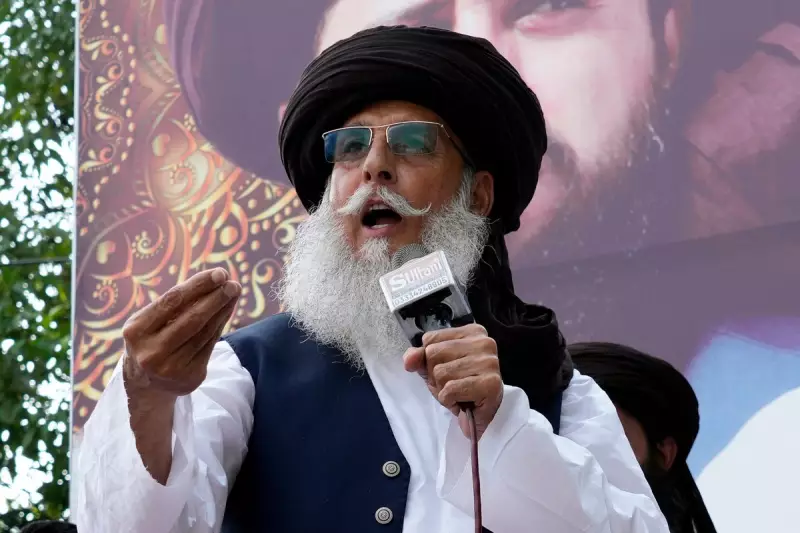
A prominent cleric from a banned Pakistani Islamist party has been handed a 35-year prison sentence for inciting violence, a significant ruling from an anti-terrorism court. The conviction stems from public calls for the murder of the country's former chief justice over a year ago.
Details of the Incitement Case
Court officials and a defence lawyer confirmed on Tuesday, 16 December 2025, that Zaheerul Hassan Shah, a senior leader of the outlawed Tehreek-e-Labbaik Pakistan (TLP), was convicted the previous day. The case centred on a video that circulated on social media last year, in which Shah offered 10 million rupees (approximately $36,000) to anyone who beheaded then-Chief Justice Qazi Faez Isa.
The animosity towards Justice Isa arose after he granted bail to a man from the minority Ahmadi community in a blasphemy case. Ahmadis, considered an offshoot of Islam, were declared non-Muslims by Pakistan's parliament in 1974. Their community faces frequent persecution and attacks from Sunni militants who view them as heretical.

Legal Proceedings and Wider Crackdown
The anti-terrorism court in Lahore delivered the lengthy sentence on Monday. Shah's defence lawyer, Maqsood-ul-Haq, acknowledged the conviction. This legal action occurs against a backdrop of a government crackdown on the TLP.
Less than two months prior, the Pakistani government formally banned the TLP party. This decision followed deadly clashes between party supporters and police during a pro-Gaza rally. In the ensuing unrest, which began in early October, the party's leader, Saad Rizvi, went missing. Police allege Rizvi fled to Pakistan-administered Kashmir after leading a march from Lahore towards Islamabad.
Implications for Religious Extremism
The severe sentence for Zaheerul Hassan Shah signals a robust judicial response to religiously motivated incitement. It underscores the ongoing tensions within Pakistan regarding blasphemy laws, the treatment of religious minorities, and the state's efforts to curb militant rhetoric. The case highlights the persistent challenges authorities face in balancing religious sentiments with legal order and national security.