Australia's Controversial ISIS Bride Return Policy Remains Unchanged
The Federal Government has reaffirmed its position that so-called 'ISIS brides' will continue to be permitted to return to Australia through their own arrangements, despite mounting political pressure following the devastating Bondi Beach terror attack. Under existing regulations, the wives and children of Islamic State militants retain the right to travel back to Australia independently, without any government assistance or organised repatriation efforts.
Political Clash Over National Security Implications
Environment Minister Murray Watt officially confirmed the ongoing policy during a Senate estimates hearing on Tuesday, sparking immediate condemnation from opposition figures. Opposition home affairs spokesperson Jonathon Duniam launched a scathing attack, labelling the approach a 'gross neglect of national security' that leaves Australians vulnerable.
'After the worst terror attack on Australian soil, the last thing the government should be doing is leaving the return of family members of terrorists to Australia up to third parties,' Senator Duniam declared emphatically. He accused the Albanese Government of dangerous secrecy regarding this high-risk cohort, warning that continued inaction could lead to further security breaches.

'This is yet another fail from the Albanese Government, whose secrecy over this dangerous cohort is keeping Australians in the dark,' Duniam continued. 'Will we have to wait for another breach in our national security before the government acts on ISIS brides? This government must take control of this situation before it's again too late. We cannot afford to be asleep at the wheel on national security.'
Bondi Attack Connections Heighten Concerns
The policy debate has intensified following revelations about the Bondi massacre on December 14, where police allege the two gunmen displayed an Islamic State flag on their car's windscreen. Furthermore, it is claimed that Naveed Akram and his father Sajid recorded an ISIS-inspired video prior to the deadly assault that claimed fifteen lives and left dozens injured.
Home Affairs Secretary Stephanie Foster defended the government's position, explaining that legislative obligations require authorities to permit self-managed returns as it constitutes 'the right of any Australian citizen.' However, she emphasised that a 'fairly robust system' exists for monitoring 'Australians of interest' overseas.
'(That) contains a number of provisions which allow us, working in collaboration with colleagues, to manage the security implications of anyone who is categorised in that definition,' Ms Foster stated during the hearing. She categorically denied any departmental contact with third parties providing assistance to ISIS brides seeking return.
Recent Returns Highlight Policy Implementation
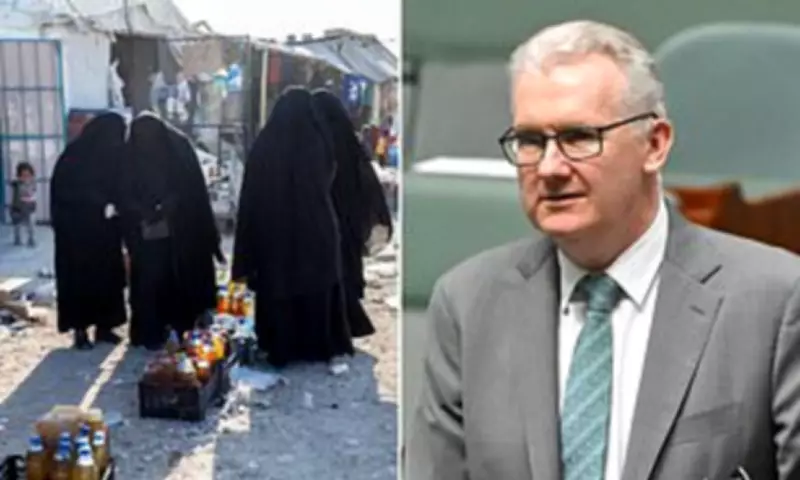
In September, two women and four children connected to Islamic State fighters successfully returned to Australia after independently arranging their departure from Syria via Lebanon. The group had originally escaped the notorious Al-Hol detention centre in northeast Syria before undergoing thorough security and DNA verification processes.
The Department of Home Affairs had received advance briefing about their intended return three months prior, with Australian passports subsequently issued following comprehensive checks. Home Affairs Minister Tony Burke was personally briefed by Australian Federal Police officials last year regarding a separate group of ISIS brides planning to return, demonstrating ongoing governmental awareness of these movements.
The continuing policy places Australia at the centre of an international debate about how nations should handle citizens affiliated with terrorist organisations, balancing citizenship rights against national security imperatives in a post-Bondi attack landscape.