The Australian federal parliament was a scene of raw emotion on Monday as politicians from all sides came together to honour the victims of the Bondi terror attack. Prime Minister Anthony Albanese moved a formal condolence motion, leading to powerful and personal reflections on the atrocity that claimed 15 lives at a Hanukah event in Sydney.
Raw Emotion and Personal Fear in the House
Standing orders were suspended as the Prime Minister led the nation's representatives in remembering those killed on 14 December when two gunmen, allegedly inspired by Islamic State, targeted the community gathering at Bondi Beach. The motion condemned the attack and affirmed the right of Jewish Australians to live in peace.
Labor MP Josh Burns recounted the instant fear that gripped him upon hearing the news, revealing his own daughter had been planning to attend a similar Hanukah festival in Melbourne that day. "You think, what about my own family? What are they going to do? Are they going to be safe?" he told the chamber, describing the panic that spread through Jewish communities nationwide.

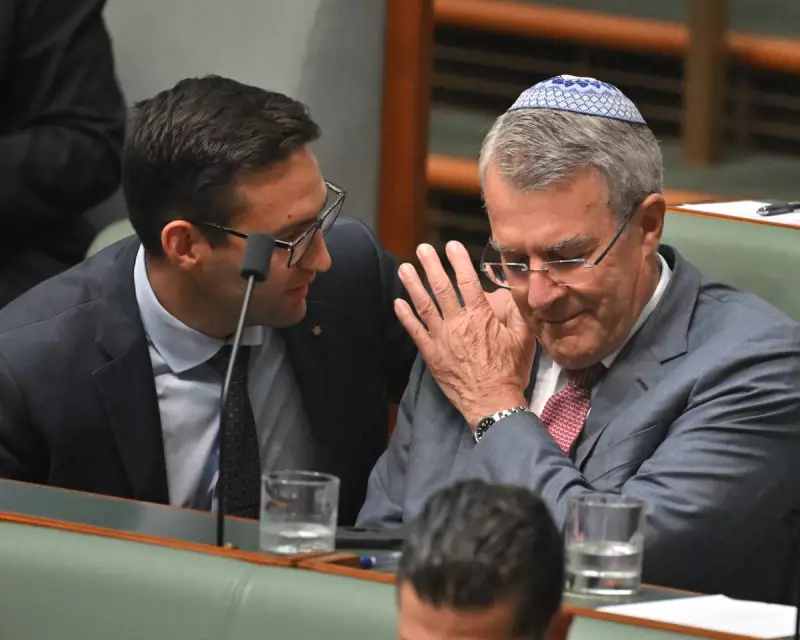
The most poignant moment came when Attorney-General Mark Dreyfus became visibly emotional while speaking. Fighting back tears, he painted a heartbreaking picture of the loss endured by the victims' families. "A home left quieter, clothes still hanging in wardrobes, photos on walls that will never be updated," Dreyfus said. "A seat left empty at the table, a laugh no longer heard... The pain of that absence does not pass quickly."
A Unified Call to Action Against Hate
The motion was not solely an expression of grief but a call for decisive action. MPs unanimously vowed to eradicate antisemitism and honoured the courage of the first responders. Prime Minister Albanese, addressing victims' families in the public gallery, stated that the responsibility to prevent such horrors began with him. "We make it clear to every Jewish Australian, you are not alone," he pledged.
Albanese also announced he had asked the Governor-General to create a new category of Australian honours to recognise the bravery of civilians during the attack. "Their bravery was an act of shared humanity," he said.
Minister for Home Affairs Tony Burke argued the government should be "going harder" on hate speech in the attack's aftermath. He highlighted the actions of Ahmed al-Ahmed, a Syrian migrant and Muslim bystander who disarmed one of the gunmen after being invited into the event by a rabbi. "Nobody is going to tell me that Ahmed Al-Ahmed is of the same religion as the gunman," Burke stated, emphasising the need to champion unity.
Legislative Response and a Nation Changed
The parliamentary tribute sets the stage for concrete legislative action. On Tuesday, the parliament is due to consider draft laws on hate speech and gun control formulated in response to the terror attack, though the proposals have faced significant opposition.
Opposition Leader Sussan Ley asserted that antisemitism had "festered in plain sight" since the 7 October Hamas attacks and had now "come out of the shadows." Allegra Spender, the independent member for Wentworth which includes Bondi, called the attack one of Australia's darkest modern days. "Australia will never be the same, nor should it be," she said, urging a national focus on unity where "kindness is louder than hate."
As the condolence motion concluded, the message from Australia's political leaders was unequivocal: the nation stands with its Jewish community, and the fight against the hatred that fuelled the Bondi terror attack is now a defining priority for the parliament and the country.