The Crown Prosecution Service (CPS) has argued that a chief magistrate made a legal error when he threw out a terrorism charge against Liam Óg Ó hAnnaidh, the rapper from the Belfast group Kneecap. The High Court heard the appeal on Wednesday, with judges reserving their decision on whether the case should be reinstated.
The Core of the Legal Dispute
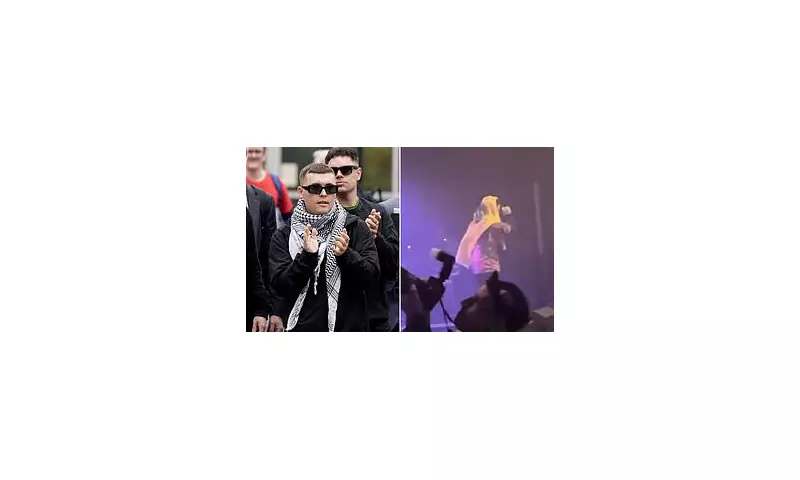
Ó hAnnaidh, who performs as Mo Chara, was accused of displaying a flag in support of the proscribed terror organisation Hezbollah at a Kneecap gig at the O2 Forum in Kentish Town, London, on 21 November 2024. He was informed on 21 May 2025 that he would be charged with a terror offence. However, Chief Magistrate Paul Goldspring dismissed the case in September 2025, ruling the proceedings were 'instituted unlawfully'.
He agreed with the defence that prosecutors needed the Attorney General's permission to charge the rapper before notifying him of the charge. This consent was granted on 22 May, the day after he was informed. The defence successfully argued this meant the charge fell outside the strict six-month timeframe for bringing summary criminal charges, which runs from the alleged offence date.

Clashing Arguments at the High Court
Paul Jarvis KC, for the CPS, told the court that Judge Goldspring 'fell into error in his interpretation of the law'. He contended that the requirement for the Attorney General's consent applies when a defendant first appears in court to answer the charge. As Ó hAnnaidh's first appearance was on 18 June 2025, and consent was in place by 22 May, the prosecution was valid.
'These proceedings are and remain valid in law,' Mr Jarvis stated. He argued the magistrate's interpretation would lead to the 'tail wagging the dog', suggesting proceedings would be deemed started when written charges are issued, not when a defendant answers them in court.
Opposing the appeal, Jude Bunting KC, for Ó hAnnaidh, said the magistrate's findings were 'unassailably correct'. He emphasised that the necessary permission was not in place at the time the proceedings were technically instituted. 'The problem that arose here is unlikely to ever arise again,' he added, calling the issue a result of 'human error'.
Mr Bunting warned that accepting the CPS's view could lead to 'absurd results', where a defendant could plead guilty by post to a charge the Director of Public Prosecutions had never consented to.
Awaiting Judgment and Wider Context
Lord Justice Edis, sitting with Mr Justice Linden, concluded the hearing by stating the judges had been given 'a great deal to think about' and would reserve judgment. The ruling will be published digitally at a later date.
The case stems from videos of the 2024 concert where Ó hAnnaidh was allegedly seen with a Hezbollah flag and heard saying 'up Hamas, up Hezbollah'. Bandmate JJ O'Dochartaigh (DJ Provai) and manager Daniel Lambert attended the High Court hearing, though Ó hAnnaidh did not.
If the High Court upholds the magistrate's decision, the dismissal will stand. If it rules in the CPS's favour, the terror charge will be sent back to the magistrates' court to be heard anew.