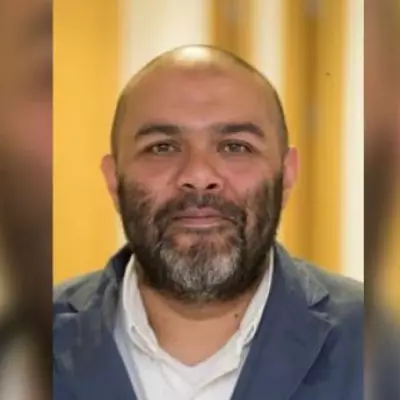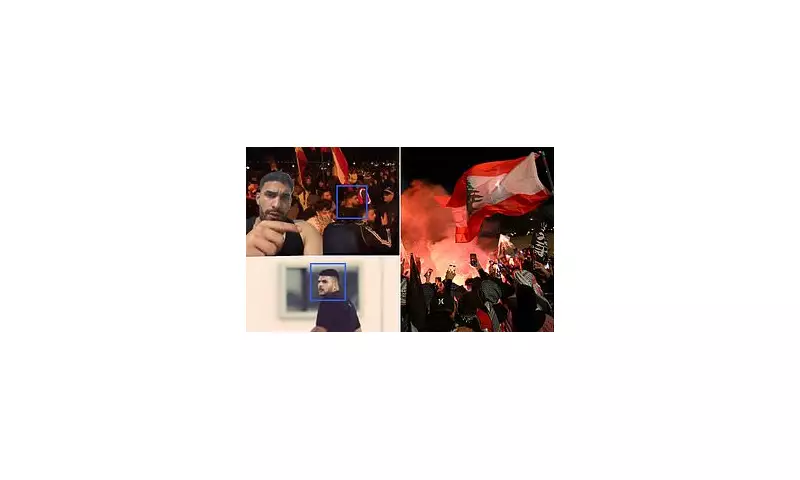
A Sydney man, publicly known as Aloush, has made a desperate appeal to the public after being wrongly identified online as one of the alleged gunmen behind the deadly Bondi Beach terror attack. The incident highlights a dangerous wave of misinformation that spread in the attack's aftermath.
The Viral Misidentification
On Wednesday, Aloush posted a video responding to false reports that had circulated widely on social media platform X. The reports falsely linked a photograph of him attending a pro-Palestine rally in Sydney two years ago with an image of the alleged 24-year-old shooter, Naveed Akram. One viral post, viewed over 600,000 times, asked: 'Is this [alleged] Bondi terrorist, Naveed Akram, squaring off against police at the infamous “Gas the Jews” rally?'
The post referenced a rally outside the Sydney Opera House in October 2023, where some reported hearing antisemitic chants. However, NSW Police later stated forensic analysis found no evidence the phrase 'gas the Jews' was chanted in footage from the event. Despite this, thousands of comments on the post insisted the man in both images was the same person, with one user declaring, 'Same guy 100 per cent'.

A String of False Accusations
Aloush's case was not isolated in the chaotic wake of Sunday night's attack, which killed at least 15 people and injured dozens. In another instance, Facebook photos of a completely different Pakistani man who simply shares the name Naveed Akram were circulated with false claims he was the shooter. That man told the Daily Mail the experience left him terrified and afraid to leave his home.
Other posts involved entirely fabricated identities, including one claiming Naveed Akram's real name was 'David Cohen' and that he was Jewish and from Israel. AI-generated content further polluted the information space, with manufactured footage appearing to show a survivor having fake blood applied at the scene.
Trauma Compounded by Falsehoods
For Aloush, the experience has been doubly traumatic. He expressed his shock and fear in his video, stating, 'Half a million people on Twitter are saying this guy is me. What's wrong with this world?' He described the profound personal impact, feeling unsafe and shaken by the false accusations of participating in a horrific act of violence that had already traumatised the nation.
The other wrongly accused man shared a similar sentiment, explaining he was in shock and couldn't go outside. 'It's a life-threatening situation for me… I can't explain in words what I felt at that time. I was shaking,' he said.
Regulatory Response and Lasting Impact
The spread of false information has prompted action from regulators. Australia’s eSafety Commissioner confirmed her office has received complaints about online material related to the shooting. The regulator stated it would work with social media platforms to ensure they meet their legal obligations and did not rule out taking formal action.
The Bondi Beach attack stands as Australia's worst mass shooting since the 1996 Port Arthur massacre. Police identified the two alleged attackers as 50-year-old Sajid Akram and his 24-year-old son, Naveed Akram. Sajid Akram was shot dead by police at the scene, while Naveed Akram was rushed to hospital under police guard and has since been charged with 59 offences, including 15 counts of murder and committing a terrorist act.
As investigators continue their official probe, the episode serves as a stark warning about the real-world harm caused by the rapid, unverified spread of misinformation online, where amateur sleuths can destroy reputations and endanger lives with a single click.