A magistrate has officially lifted a suppression order on the identity of a man accused of perpetrating a terrorist act by throwing a homemade bomb into a crowded Invasion Day rally in Perth. Liam Alexander Hall, aged 31, now faces charges of engaging in a terrorist act over the incident that occurred on January 26, marking the first such declared act of terror in Western Australia's history.
Details of the Alleged Attack
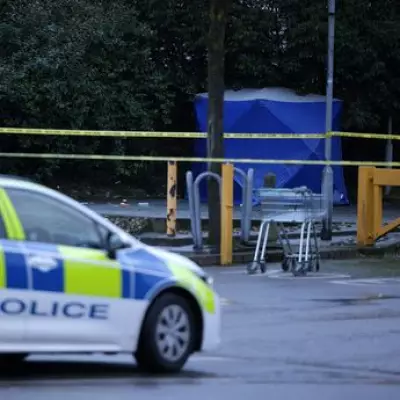
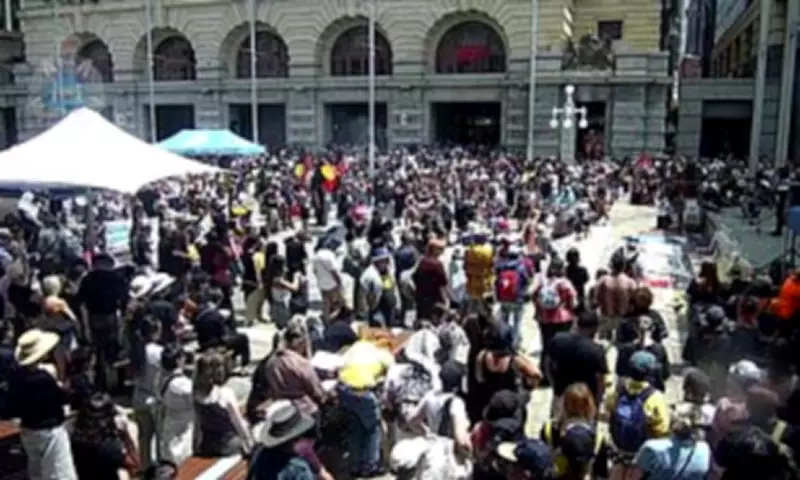
Police allege that Hall threw an explosive device from a walkway above a crowd of Indigenous people, families, and supporters gathered at Forrest Place in Perth's city centre. The device, which contained volatile chemicals, nails, and metal ball bearings, did not detonate despite a fuse allegedly being lit. Thousands of people were evacuated following the discovery of the object, causing significant disruption and fear.
Legal Proceedings and Charges
The case returned to court on Tuesday, where Hall did not appear. The matter was adjourned to March 31 after a Commonwealth charge of engaging in a terrorist act was added to two existing state charges. These state charges include an unlawful act or omission with intent to harm and making or possessing explosives under suspicious circumstances. Hall has yet to enter pleas to any of the charges.

If found guilty of the terrorism offence, Hall faces life imprisonment. Magistrate Lynette Dias lifted the suppression order after hearing submissions from a Commonwealth prosecutor and lawyers representing various media outlets, allowing public identification of the accused.
Motivation and Investigation
Police assert that the incident was a nationalist and racially motivated attack targeting First Nations people at the protest. According to authorities, Hall was self-radicalised and acted alone. He had allegedly accessed bomb-making instructions and pro-white male material online, actively participating in extremist ideology.
Community Impact and Criticism
The incident has left First Nations Australians feeling fearful and angry as they grapple with the allegedly targeted nature of the attack. Indigenous groups have criticised authorities for not immediately declaring it a terrorist act, raising concerns about double standards and racism in the response.
Police defended the nine-day delay in declaring the act as terrorism, explaining that investigators needed to gather sufficient evidence on the alleged bomber's motivation and ideology to meet legal standards for proof in court. This careful approach was necessary to ensure the charges could withstand judicial scrutiny.
Broader Implications
This case highlights ongoing tensions around national security and racial issues in Australia, particularly in the context of public protests and Indigenous rights. The lifting of the suppression order aims to promote transparency in legal proceedings while addressing public interest in the matter.
As the case progresses, it will likely continue to spark debates about terrorism definitions, law enforcement responses, and community safety in Western Australia and beyond.