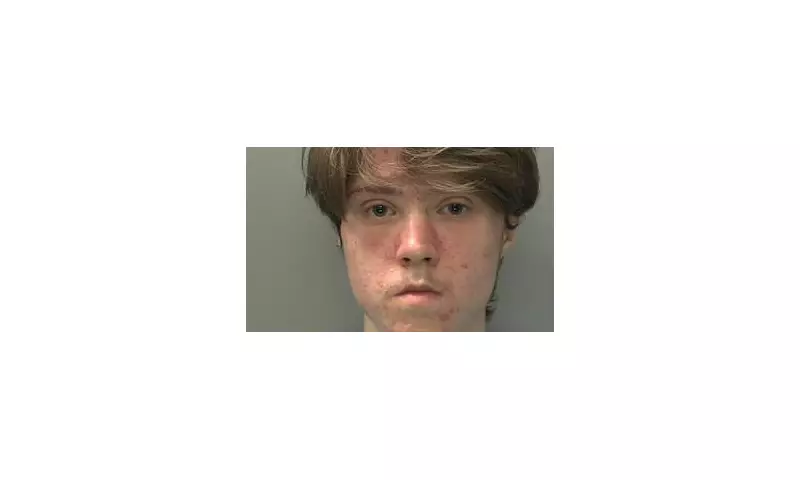
A teenager who plotted to carry out copycat attacks inspired by the Southport dance club killer has been sentenced to 14 months in youth detention.
From Online Fantasies to Terror Plot
McKenzie Morgan, 18, from Cwmbran in South Wales, was sentenced at the Old Bailey on Friday after pleading guilty to possessing a document useful for terrorism. The court heard how Morgan, then aged 17, was inspired by Axel Rudakubana, who murdered three young girls at a Taylor Swift-themed dance holiday club in Southport on 29 July 2024.
Prosecutor Corinne Bramwell detailed how Morgan praised Rudakubana in Snapchat messages between 7 April and 2 June last year. He shared images of the killer and expressed a desire to launch a similar terrorist-style attack, even claiming he was trying to manufacture the deadly poison ricin.

A Trail of Digital Threats
Morgan's plans included specific targets. He created a note on his phone listing 'places to attack', which featured a local youth dance academy. He also discussed a plan to bomb an Oasis reunion concert at Cardiff's Principality Stadium on 4 July.
His online activity revealed extensive research. Morgan searched for local playgrounds and the dance academy. He sent a picture of a 15cm kitchen knife from Amazon to a contact, asking 'Would this work?', and records showed he attempted to purchase it. In messages, he stated he had 'the motivation to go ahead with some sort of attack' and asked 'how to burn people's faces'.
Intervention and Arrest
The plot unravelled when one of his Snapchat contacts reported him to police. Concerns were also raised by his mother, leading to a referral to children's mental health services. On 2 June, Morgan told a psychiatric nurse he wanted to hurt others and was planning a Rudakubana-style attack, having researched bombs, poison, and methods of stabbing.
The nurse immediately alerted police, recommending an autism assessment. Morgan was arrested at his home later that same day. Officers seized his devices, where they found a terrorist manual. In police interviews, Morgan claimed his messages were sent out of 'boredom' and were meant 'to shock', denying any concrete intent to carry out the attacks.
A Warning on Online Radicalisation
Sentencing Morgan, Judge Sarah Whitehouse KC imposed the 14-month detention order. Following the case, Detective Superintendent Andrew Williams of Counter Terrorism Policing Wales issued a stark warning.
He described Morgan as a 'vulnerable' teenager who was 'not born bad', but was radicalised by 'abhorrent commentary, hateful opinion and violent imagery' online. 'The fact that he was heavily influenced by the perpetrator of one of the most horrific attacks this country has seen in recent times is a terrifying indictment,' he stated.
DS Williams emphasised the challenge for parents in monitoring online activity, stating it was 'about keeping them safe from harm'. He concluded that while halting a potential attack was a success, 'there are no winners today, just a sense of sadness' about the exploitation of young people online.
The Crown Prosecution Service noted Morgan was not charged with planning an attack as his actions amounted to 'fantasising, expressing violent thoughts, and seeking attention online, rather than making concrete plans'. The case follows shortly after another 16-year-old pleaded guilty to terrorism charges for planning to mimic the Southport attack.