








Entertainment

The Correspondent: A Heart-Wrenching Debut Novel Perfect for Summer Reading
Virginia Evans' Women's Prize finalist 'The Correspondent' is a heart-wrenching debut about letter writing, perfect for your beach bag this summer.





Politics

Sarah Ferguson Grills Jim Chalmers Over Broken Election Promises in Heated Interview
Treasurer Jim Chalmers faced tough questions from Sarah Ferguson after announcing changes to negative gearing and CGT, breaking Labor's election promises.



Sports

Katie Archibald Retires: A Look Back at Her Glittering Cycling Career
Two-time Olympic champion Katie Archibald retires from cycling after 13 years, 51 medals, and a journey marked by triumph and tragedy. She now pursues nursing.



Crime

Manhunt for Armed Suspect After UW Student Found Stabbed in Laundry Room
Seattle police search for an 'armed and dangerous' suspect after a 19-year-old University of Washington student was found fatally stabbed in a laundry room.







Health





Weather

Arctic Winds to Bring Freezing Temperatures and Frost to UK
An Arctic air movement will cause a cold snap across the UK this week, with overnight lows near freezing and frost expected. Daytime temperatures may not reach double figures in some areas.

Sudoku 7309 Medium: May 12 Puzzle Challenge
Test your logic with Sudoku 7309, a medium-difficulty puzzle from The Guardian. Fill the grid so each row, column, and 3x3 box contains digits 1-9.

Utqiaġvik Begins 84 Days of Midnight Sun
Utqiaġvik, Alaska, the northernmost US city, has begun its midnight sun season with 84 consecutive days of daylight, lasting until August 2.
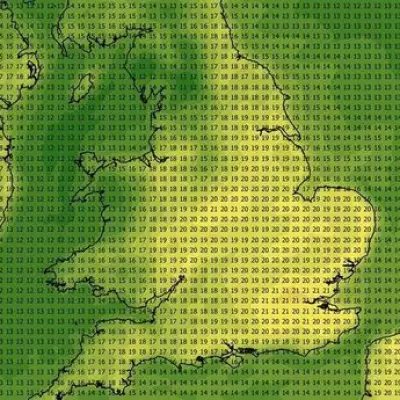
UK May Heatwave: 23C Weather Maps Show 14 Hottest Counties
Weather maps predict a 23C heatwave in May across 14 UK counties, including London and Surrey, but the Met Office warns of rain before the warm spell.
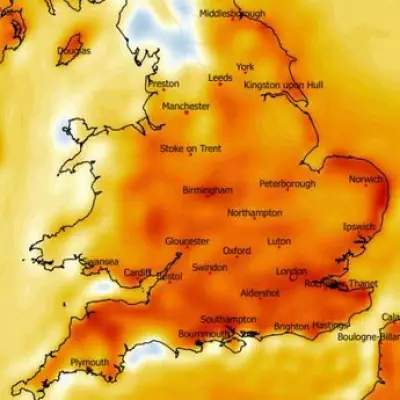
UK Weather Maps: 24C Heat for 35 Counties
New weather maps reveal a four-day warm spell with temperatures up to 24C in the UK, with 35 counties in England and Wales expected to reach 20C or above.
Monday Sports Challenge: Football, Cricket & Rugby Questions
Start your week with our Monday sports quiz featuring 100 questions about British football, cricket, and rugby. How well do you know these popular UK sports?
