London is grappling with a phone theft epidemic driven by highly organised criminal gangs, many from Algeria, who target luxury items to sell on the black market, security experts have warned.
The Scale of the Theft Operation
New figures reveal the staggering extent of the problem. The Metropolitan Police recorded 116,656 mobile phone thefts in London during 2024, the highest number on record. This equates to roughly 320 phones stolen every single day, or 13 every hour. Westminster was the worst-affected borough, with 34,039 thefts.
Former Met detective chief inspector David McKelvey, who now leads private investigation firm TM Eye, stated his officers are apprehending phone thieves "almost daily", with many suspects hailing from Algeria and Eastern Europe. "It's organised. We see the same faces day in, day out," he said.

How the Gangs Operate and Who They Target
The gangs employ sophisticated tactics. They often work in small groups of two to four, sometimes with an insider in a venue identifying potential victims. Dr Simon Harding of the National Centre for Gang Research explained that thieves can assess a victim in seconds, looking for signs of wealth and vulnerability.
City workers enjoying post-work drinks are prime targets, particularly those wearing smart attire like gilets and suits, with expensive watches or phones left on display. "They will know whether they are likely to fight back," Dr Harding said. Thieves often dress smartly themselves to blend in.
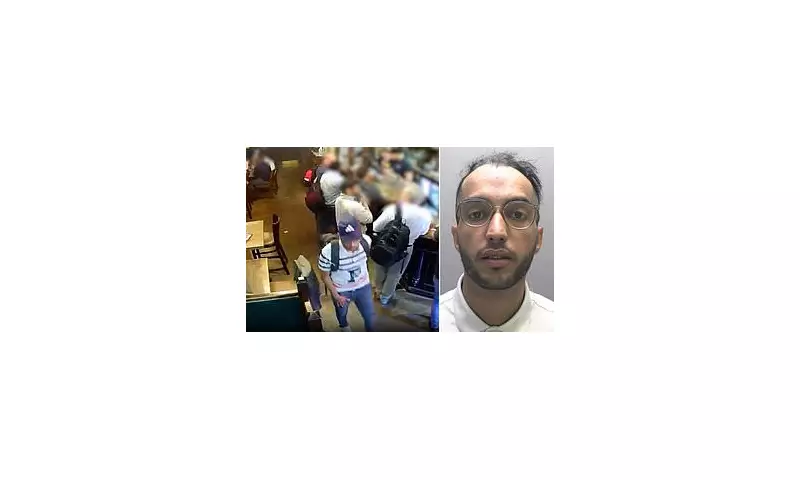
The consequences for victims are severe. In one case, Algerian migrant Munir Ghilas targeted 16 separate City workers at central London bars over two months, stealing goods worth around £31,000. He was jailed for 18 months.
The Lucrative Algerian Black Market Connection
Algeria has become a key destination for stolen UK handsets. Data suggests that while 75% of stolen phones are moved abroad, 28% of those end up in Algeria, making it the most common destination ahead of China.
This trade is fuelled by booming demand for second-hand Apple products in Algeria, where protectionist import restrictions and the absence of an official Apple store have created a lucrative black market. Cybersecurity expert Thomas Balogun noted criminals can now make more money trafficking phones to Algeria than to the more saturated Chinese market.
The operation is vast. Last year, 1,000 phones were recovered from a warehouse near Heathrow. Police also arrested a "mule" who had travelled between London and Algeria more than 200 times in two years.
Gangs also target high-value watches. In July, two "Rolex rippers" were jailed for a total of five years after targeting undercover police officers. Algerian national Yakob Harket, 21, admitted robbery after snatching a replica luxury watch from a female officer's wrist in Mayfair.
Despite the scale of thefts, prosecution rates remain low. Out of the 116,656 phone thefts last year, only 169 suspects were charged, and seven received a caution. Mr McKelvey highlighted a major obstacle: at least 50% of thefts go unreported, creating an incomplete intelligence picture for police.
The public is urged to remain vigilant with their valuables, especially in pubs, bars, and restaurants after work, and to always report thefts to the police to help combat this organised crime wave.