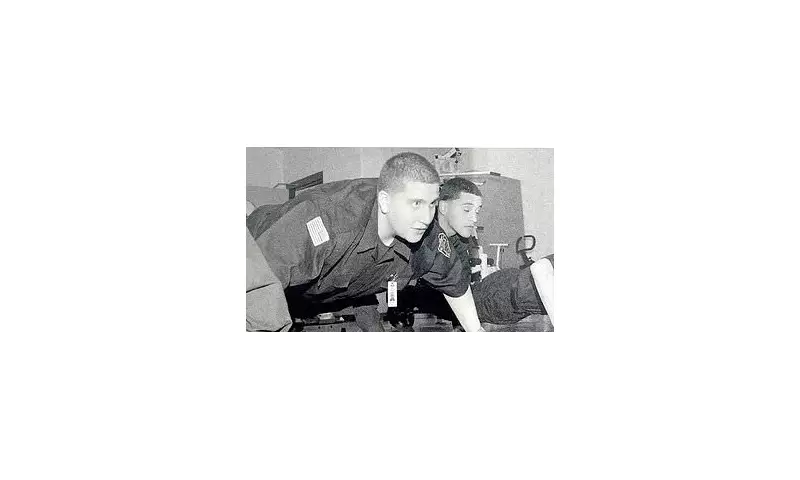
In the quiet, rural stretches of Pennsylvania, a young Bryan Kohberger grew up as an outsider—a socially awkward child who struggled to fit in. Today, he stands accused of one of the most shocking crimes in recent memory: the brutal killings of four university students in Idaho.
A Troubled Childhood
Neighbours and former classmates recall Kohberger as a loner, often withdrawn and struggling with social interactions. His adolescence was marked by bullying and isolation, factors that psychologists suggest may have contributed to his later actions.
The Descent into Darkness
As Kohberger grew older, his behaviour became increasingly erratic. Former friends describe a sharp shift in his personality, with bouts of anger and an obsession with crime and violence. His academic pursuits in criminology only deepened this fascination, blurring the line between study and sinister intent.

The Aftermath
Now awaiting trial, Kohberger’s case has sparked debates about the warning signs of violent behaviour and the failures of systems meant to identify and intervene with troubled individuals. Could this tragedy have been prevented?
A Community Left in Shock
The tight-knit Pennsylvania community where Kohberger was raised remains stunned. Many struggle to reconcile the quiet boy they once knew with the man now accused of such horrific crimes.