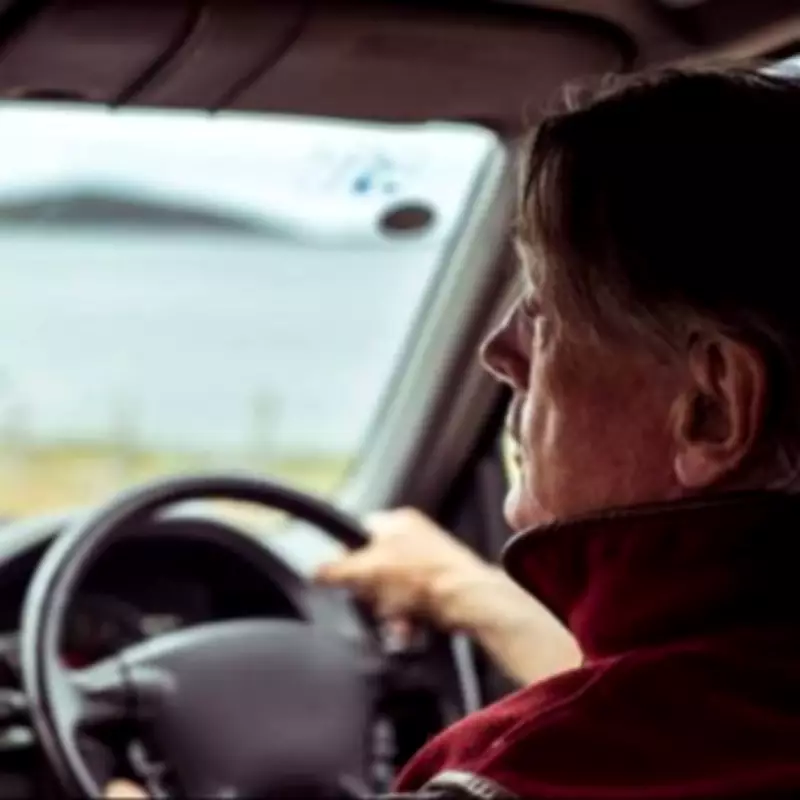
Survey Reveals Strong Public Support for Mandatory Driving Retests for Elderly Motorists
A significant new survey has uncovered widespread public backing for mandatory driving test retakes for older motorists. The research, conducted by USwitch and involving 2,000 participants, indicates that a clear majority of drivers believe stricter measures are needed to ensure road safety as drivers age.
Overwhelming Majority Advocate for Retesting Older Drivers
The survey results demonstrate substantial concern about elderly drivers continuing to operate vehicles without additional assessment. Specifically, 61% of respondents expressed the view that drivers over the age of 70 should be required to successfully complete a driving test again to maintain their driving licenses. This sentiment reflects growing public anxiety about age-related declines affecting driving capabilities.
Breaking down the data further, 39% of those surveyed specifically targeted drivers between 70 and 74 years old, suggesting this age bracket should face mandatory retesting. Additionally, nearly half of participants (48%) proposed that such retests should occur regularly, recommending intervals of every two to three years to ensure ongoing competency.

Primary Concerns: Vision, Cognition, and Performance
The survey identified three primary factors driving these calls for mandatory retesting among older drivers. The most frequently cited concern was deteriorating eyesight, with 72% of respondents highlighting vision problems as a critical issue. Cognitive decline followed closely, mentioned by 67% of participants, while 58% pointed to generally deteriorated driving performance as a significant worry.
These statistics underscore public recognition that aging can impact essential skills required for safe driving, including reaction times, decision-making abilities, and visual acuity.
Expert Advice on Self-Assessment and Alternatives
Leoni Moninska, an insurance expert at USwitch, emphasized personal responsibility in assessing driving fitness. "If you haven't received professional advice that you should stop driving, it's your responsibility to assess your fitness to continue," Moninska stated. "Your biggest priority should be safety and feeling comfortable and confident behind the wheel."
Moninska offered practical guidance for drivers experiencing difficulties, suggesting that frequent close calls, accidents, getting lost, or noticing slower reaction times could indicate it might be time to reconsider driving. She recommended alternatives such as refresher lessons or experienced driver assessments, which are designed to boost confidence and reinforce safety practices without necessarily requiring complete cessation of driving.
Public Perspectives: Support and Criticism
The survey findings have sparked diverse reactions from the public, including direct commentary from older drivers themselves. Jeff, aged 70, acknowledged the importance of regular eye tests but questioned age-specific targeting. "Regular eye tests for drivers are a good idea, but starting at any specific age is arbitrary. Younger people can also develop eyesight problems. I myself started to need glasses in my 30s," he explained. "Had I ignored the problem, I would have been as much of a danger then as I would be if I didn't have regular eye tests now."
Conversely, 70-year-old Jill expressed surprise that mandatory retesting isn't already standard practice. "I'm amazed it's not already a requirement. Gradual eyesight loss is not always noticed, and when noticed, older car-dependent people do not always act on it," she remarked. Jill also highlighted the importance of complementary infrastructure, noting, "It would be a less unpopular requirement if accompanied by affordable public transport options, for example, easy-to-access mini buses that pick up and drop off at people's doors."
This survey adds to ongoing debates about road safety, aging populations, and driver licensing regulations, suggesting strong public appetite for policy reforms that address the challenges of elderly drivers while balancing mobility needs and safety concerns.