A Texas man is facing execution for the fatal shooting of his ex-girlfriend and her new boyfriend nearly 27 years ago in suburban Houston, marking a grim milestone as the first scheduled execution in the United States this year.
Details of the Crime and Legal Proceedings
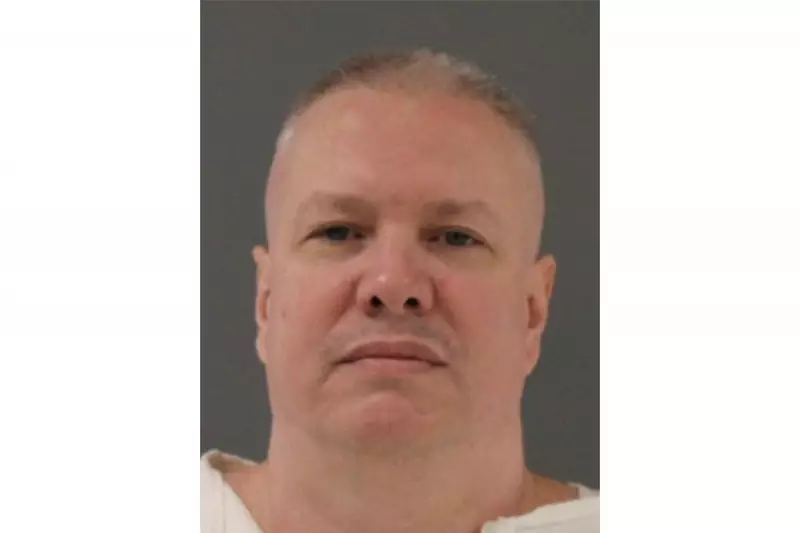
Charles Victor Thompson, 55, was condemned for the April 1998 shooting deaths of Glenda Dennise Hayslip, 39, and Darren Keith Cain, 30, at Hayslip's apartment in Tomball, a Houston suburb. Prosecutors stated that Thompson and Hayslip had been romantically involved for a year before their relationship ended due to Thompson becoming increasingly possessive, jealous, and abusive.
According to court records, on the night of the killings, Thompson arrived at Hayslip's apartment around 3 a.m. and began arguing with Cain. Police were called and instructed Thompson to leave the complex. He returned three hours later and shot both victims, with Cain dying at the scene and Hayslip succumbing to her injuries in the hospital a week later.

Legal Appeals and Medical Controversy
Thompson's attorneys have urgently appealed to the U.S. Supreme Court to stay his execution, arguing that he was not allowed to refute prosecution evidence which concluded Hayslip died from a gunshot wound to the face. They contend that Hayslip actually died from flawed medical care after the shooting, resulting in severe brain damage from oxygen deprivation following a failed intubation.
In court filings, Thompson's legal team asserted, "If he had been able to raise a reasonable doubt as to the cause of Ms. Hayslip’s death, he would not be guilty of capital murder." However, prosecutors countered that a jury has already rejected this claim, concluding under state law that Thompson is responsible for Hayslip's death because it "would not have occurred but for his conduct."
The Texas Board of Pardons and Paroles recently denied Thompson's request to commute his death sentence to a lesser penalty, upholding the original verdict.
Escape and Recapture
In a dramatic turn of events, Thompson escaped from the Harris County Jail in Houston shortly after being resentenced in November 2005. He walked out the front door virtually unchallenged by deputies, later explaining to The Associated Press that he slipped out of his handcuffs and orange jail jumpsuit in an unlocked interview cell after meeting with his attorney.
Thompson used a makeshift ID badge fashioned from his prison ID card to bypass several deputies. During his three days on the run, he described experiencing freedom, saying, "I got to smell the trees, feel the wind in my hair, grass under my feet, see the stars at night. It took me straight back to childhood being outside on a summer night." He was eventually arrested in Shreveport, Louisiana, while attempting to arrange wire transfers of money from overseas to reach Canada.
Historical Context and Impact
If the execution proceeds, Thompson will be the first person put to death in the United States this year. Texas has historically conducted more executions than any other state, although Florida led in 2025 with 19 executions. The Hayslip and Cain families have waited over 25 years for justice, as noted by prosecutors from the Harris County District Attorney's office.
This case highlights ongoing debates about capital punishment, legal appeals, and the complexities of murder trials involving medical evidence. It also underscores the emotional toll on victims' families and the lengthy judicial processes in death penalty cases.