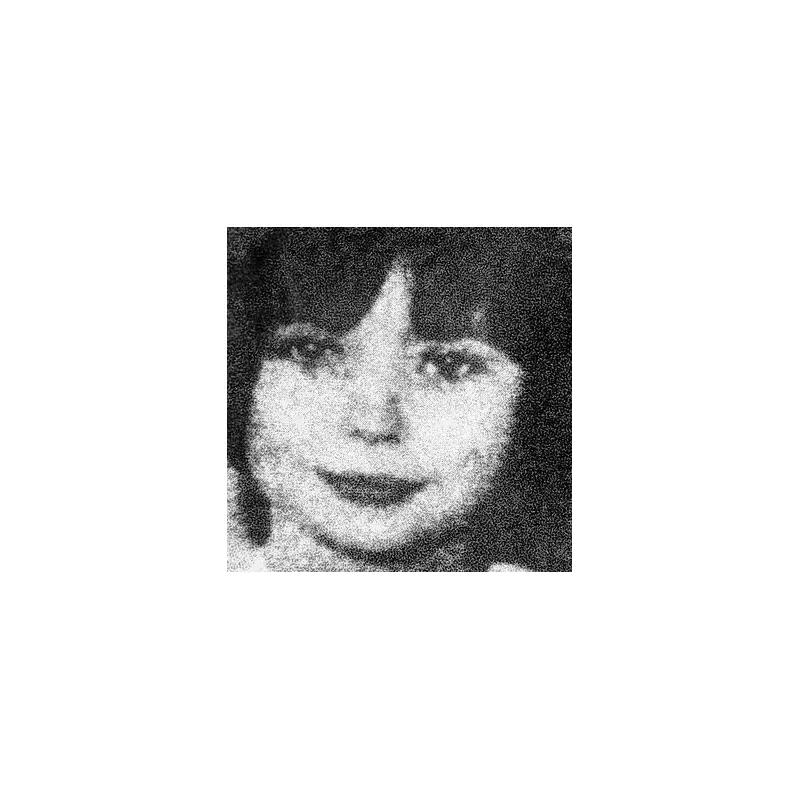
The chilling crimes of an 11-year-old girl from Newcastle, who was diagnosed as a psychopath before she stood trial for killing two toddlers, remain one of Britain's most disturbing legal cases.
A Troubled Childhood and Early Warning Signs
Mary Flora Bell endured a profoundly troubled upbringing from the moment of her birth. Her mother, Betty, a sex worker and dominatrix, reportedly told hospital staff to "take the thing away from me!" when presented with her newborn daughter. Mary's father was unknown, and she suffered neglect and abuse. Claims later emerged that Betty had tied up and sexually abused Mary, tried to sell her, and even gave her sleeping pills before dropping her from a first-floor window.
From a young age, Mary exhibited deeply troubling behaviour. She was known to regularly wet the bed and had a dangerous fixation with strangulation. She would choke her classmates, on one occasion blocking a girl's throat with sand. She was also said to have pushed a boy from an air raid shelter and attempted to strangle three other girls.

The Toddler Murders and a Chilling Question
The violence escalated tragically in the spring and summer of 1968. On 25 May, four-year-old Martin Brown was found dead in a derelict house in the Scotswood area, his arms stretched above his head. Just two months later, on 31 July, three-year-old Brian Howe, who lived on the same street as Mary, was discovered on nearby wasteland.
Mary, then aged 10 and 11, had lured both children by offering them massages for sore throats before strangling them. Prior to these attacks, she had posed a sinister question to another child. According to her acquaintance, Norma Bell (no relation), Mary asked: "What happens if you choke someone; do they die?" She then proceeded to put her hands around the girl's throat and squeeze until she began to turn purple.
Brian Howe's body was found barely concealed under weeds. A broken pair of scissors lay near his feet, and a crude attempt had been made to carve the letter "M" into his abdomen.
Bizarre Confessions and the Trial
Following the killings, Mary and 13-year-old Norma broke into a nursery. They toppled furniture and scribbled shocking confessions on a blackboard. The messages, filled with misspellings and profanity, included phrases like: "WE did murder martain brown" and "Watch out... there are Murders about."
In a further act of macabre audacity, just two days before Martin Brown's funeral, the girls turned up at his mother's doorstep asking to play with him, before adding, "oh, I know he's dead; I want to see him in his coffin."
Both girls were arrested and pleaded not guilty. At trial in December 1968 at the Newcastle upon Tyne Assizes, the jury found Mary Bell not guilty of murder but guilty of the manslaughter of both toddlers, on grounds of diminished responsibility. Norma Bell was acquitted of all charges.
Home Office psychiatrist Dr David Westbury told the court Mary displayed a psychopathic disorder. When asked by the judge if a suitable hospital place existed for her, he replied, "No." Mr Justice Cusack, sentencing Mary to life detention, described her as "dangerous" and warned there was a "very grave risk to other children if she is not closely watched."
Life After Sentencing and a New Identity
Mary Bell served her sentence in various secure facilities. In 1977, she briefly escaped from prison with another inmate but was recaptured within days. She was finally released in May 1980, aged 23.
The authorities granted her a new identity and anonymity, which was later extended beyond her daughter's 18th birthday due to ongoing legal issues. The publication of her biography, Cries Unheard, for which she received £50,000, sparked controversy, with Martin Brown's sibling arguing she had forfeited her right to anonymity.

However, in 2003, a police inspector stated the Home Office was "quite happy that Mary Bell is not dangerous," noting the crimes were committed when she was a child. The case continues to provoke debate about nature versus nurture, the diagnosis of psychopathy in children, and the justice system's handling of the very young who commit the gravest of crimes.