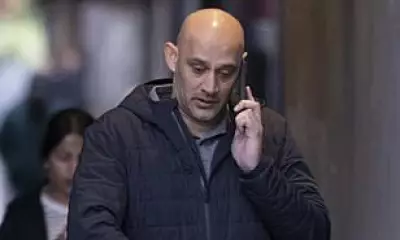
The father of the teenager responsible for the Southport violence has offered a heartbreaking public apology, admitting he witnessed his son's descent into aggression but felt powerless to intervene.
In raw testimony before the official inquiry investigating the tragedy, the grieving parent described watching his son transform from a troubled youth into someone capable of unimaginable violence. "I saw the anger building in him," he confessed, his voice trembling with emotion. "The rage that would take over - it was like watching a stranger emerge."
A Father's Torment
The inquiry heard how the father repeatedly attempted to seek help through various channels but found the system frustratingly inadequate. "I knocked on every door I could find," he revealed. "But each time I was met with bureaucracy, waiting lists, or simply being told it wasn't serious enough for immediate intervention."

His testimony painted a picture of a parent trapped between his love for his son and the terrifying reality of his behaviour. "How do you report your own child? How do you look at the boy you raised and see a threat to others?"
Systemic Failures Exposed
The emotional hearing highlighted broader concerns about how Britain handles individuals displaying early signs of violent tendencies. Several witnesses described multiple missed opportunities where intervention might have altered the tragic outcome.
Key failures identified included:
- Insufficient mental health support for at-risk youth
- Poor communication between schools, social services and medical professionals
- Lack of emergency protocols for families in crisis
- Inadequate training for recognising escalating violent behaviour
Seeking Answers and Accountability
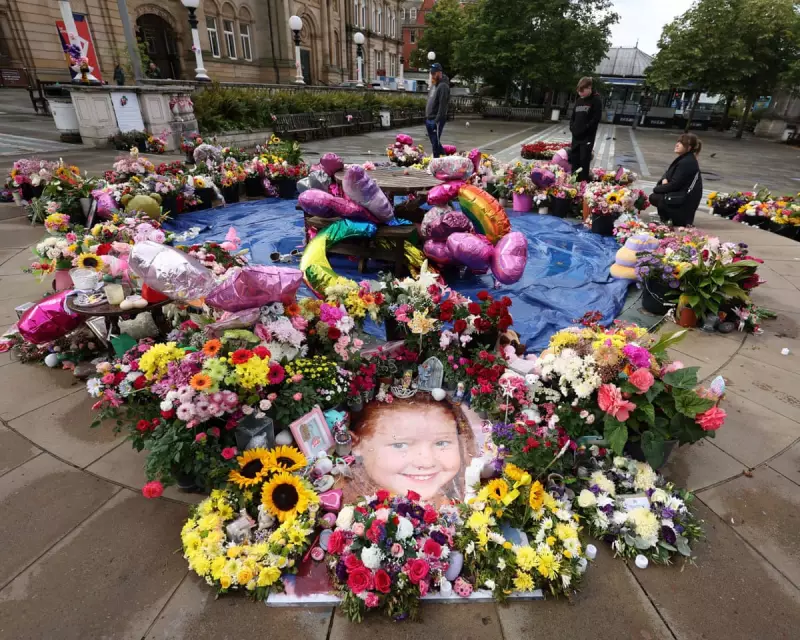
The Southport inquiry, established in the wake of the devastating incident that left communities reeling, aims to provide both answers to victims' families and recommendations for preventing future tragedies.
As the father concluded his testimony, he directed a message to those affected by his son's actions: "To every person hurt by what my son did, I am so sorry. I live with the knowledge that I should have done more, that I could have done more."
The inquiry continues to hear evidence from educational authorities, mental health professionals and law enforcement agencies as it works toward its final report due early next year.