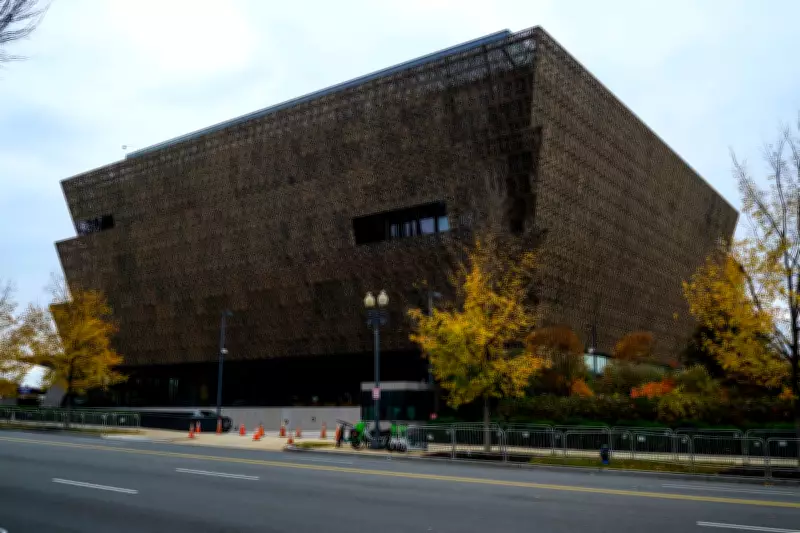
The Smithsonian Institution's National Museum of African American History and Culture has announced the launch of a major new exhibit dedicated to the history and influence of Historically Black Colleges and Universities (HBCUs) in the United States. This exhibition, which opened to the public on March 3, 2026, aims to shed light on the pivotal role these institutions have played in shaping African American education, culture, and civil rights over the centuries.
Exploring the Legacy of HBCUs
The exhibit, titled "HBCUs: Pillars of Progress," features a comprehensive collection of artifacts, photographs, documents, and multimedia displays that trace the origins and evolution of HBCUs from their establishment in the 19th century to the present day. Visitors can explore interactive installations that highlight the contributions of notable alumni, including civil rights leaders, scientists, artists, and politicians who graduated from these institutions.
Key Highlights of the Exhibition
Among the standout items on display are rare archival materials from some of the oldest HBCUs, such as Howard University, Spelman College, and Morehouse College. The exhibit also includes personal stories and testimonials from students and faculty, offering a nuanced perspective on the challenges and triumphs faced by these communities. Curators have emphasized the importance of showcasing the resilience and innovation that have defined HBCUs throughout history.

Educational Impact and Cultural Significance
The launch of this exhibit comes at a time when HBCUs are gaining renewed attention for their role in promoting diversity and equity in higher education. Museum officials note that the display is designed to educate the public about the enduring legacy of these institutions and their ongoing relevance in contemporary society. The exhibit also addresses broader themes of racial justice and educational access, linking the history of HBCUs to current debates about inclusion and representation in academia.
Visitor Experience and Public Engagement
To enhance the visitor experience, the museum has incorporated digital elements, such as virtual tours and online resources, making the content accessible to a wider audience. Educational programs and workshops are planned in conjunction with the exhibit, targeting students, educators, and community groups. This initiative is part of the Smithsonian's broader efforts to expand its offerings on African American history and culture.
The exhibit is expected to run for several months, with potential extensions based on public interest and feedback. Museum staff have reported strong early attendance and positive reactions from visitors, underscoring the exhibit's significance in fostering a deeper understanding of HBCUs' contributions to American society.