UN Agency Issues Dire Warning Over Escalating Hunger Crisis in West and Central Africa
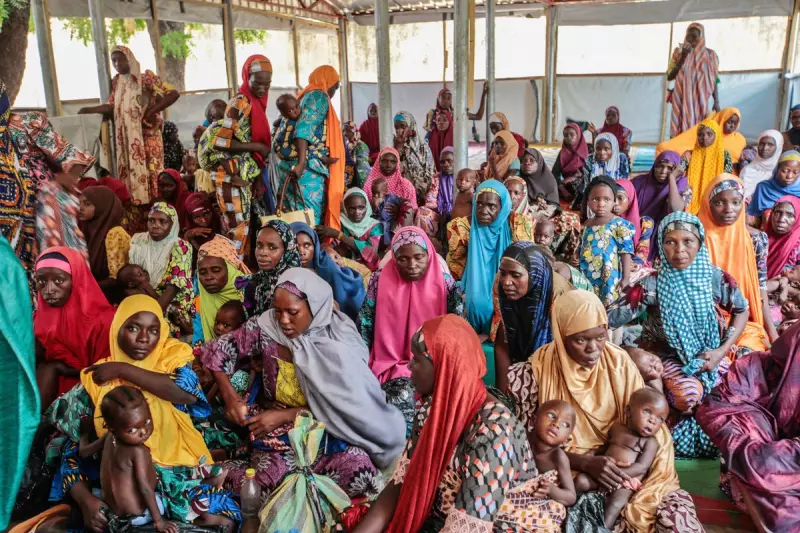
The World Food Programme, a United Nations agency, has issued a stark warning that approximately 55 million people across Central and West Africa are projected to endure crisis-level hunger throughout this year. This alarming forecast comes as humanitarian aid budgets from wealthy nations face significant reductions, leaving climate-vulnerable and impoverished communities without essential support.
Four Nations Bear the Brunt of Food Insecurity
Four countries account for a staggering 77 per cent of the region's food insecurity. Nigeria, Chad, Cameroon, and Niger represent the epicentre of this developing catastrophe. In Nigeria alone, approximately 15,000 people currently face food "catastrophe" conditions, marking the first instance of famine-level hunger in the country for nearly a decade.
Conflict remains a primary driver of this crisis, with jihadist groups like Boko Haram continuing to destabilise regions. Simultaneously, the escalating impacts of the climate crisis are devastating agricultural systems. Recurrent extreme weather events, including severe floods and prolonged droughts, are crippling farming activities that employ roughly 60 per cent of the workforce across West and Central Africa.

Humanitarian Sector Left Helpless by Funding Collapse
The humanitarian response capability has been severely undermined by substantial cuts to overseas development assistance. In 2025, the World Food Programme received only 41 per cent of the $2 billion it required to meet basic needs in the region. The agency now urgently requires approximately $453 million over the next six months to continue providing life-saving assistance.
David Stevenson, WFP's Nigeria Country Director, emphasised the critical situation: "Now is not the time to stop food assistance. This will lead to catastrophic humanitarian, security and economic consequences for the most vulnerable people who have been forced to flee their homes in search of food and shelter. Humanitarian solutions are still possible and are one of the last stabilising forces preventing mass displacement and regional spillover."
Nigeria at the Centre of the Crisis
Nigeria represents the focal point of this regional emergency, with projections indicating that 35 million people will experience acute and severe food insecurity during the 2026 lean season. The WFP has announced that without immediate funding injections, the agency will only be able to reach 72,000 people in Nigeria during February—a dramatic reduction from the 1.3 million assisted during the 2025 lean season.
The situation is particularly dire in conflict-affected regions. In Borno State, northeast Nigeria, approximately 150 clinics treating malnutrition were closed in July 2025, leaving 300,000 children at immediate risk of severe malnutrition.
Regional Impact and Broader Consequences
The funding crisis extends beyond Nigeria's borders. In neighbouring Cameroon, the WFP is planning to reduce the number of people receiving assistance by around 60 per cent this year. More broadly, the agency anticipates reaching only about half of the 110 million food-insecure people it had originally planned to assist globally in 2026 due to aid reductions from donor nations.
This unfolding humanitarian disaster underscores the fragile interdependence between climate resilience, conflict resolution, and sustained international cooperation. As extreme weather events become more frequent and violent conflicts persist, the collapse of humanitarian funding mechanisms threatens to unleash catastrophic consequences across vulnerable populations in West and Central Africa.