Bandhu Chatbot Bridges Data Gap for India's 140 Million Migrant Workers
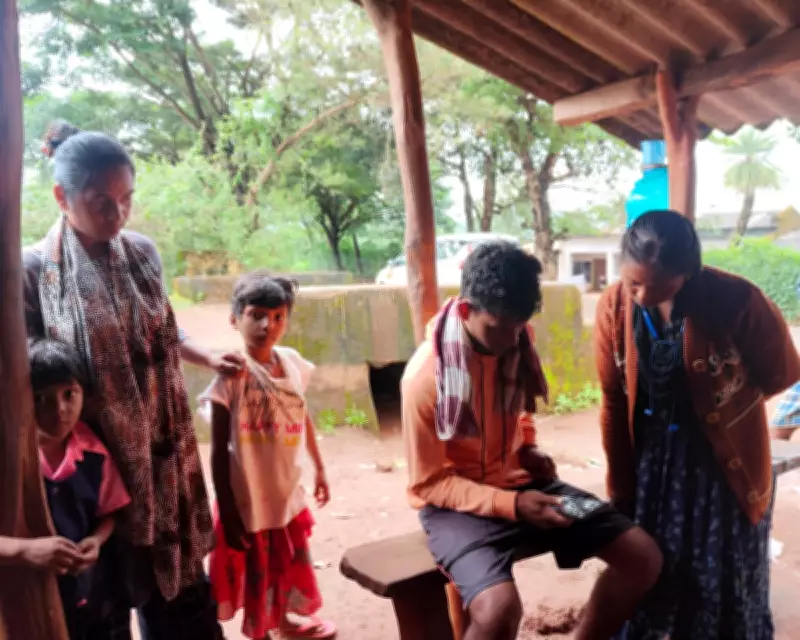
In a village in eastern India, Raja Pradhan sits cross-legged, scrolling on his phone when a green WhatsApp message appears. It reads: "Namaskar! Apana bahare kama pain jauthibe? Apananka suchana diaantu." (Hello! Are you going outside for work? Please share your information.) He hesitates, wary of sharing personal details online, unsure where the data might end up or if it could be used against him.
This message is from Bandhu, a chatbot launched by the nonprofit Gram Vikas to address a critical issue: the lack of reliable data on India's estimated 140 million migrant workers. Fieldworker Subhalata Pradhan explains to Raja that the chatbot aims to connect undocumented migrants to emergency services and keep their families informed of their locations, with assurances that details remain confidential and are solely for assistance during crises.
Covid-19 Exposes Data Shortfalls
The Covid-19 pandemic starkly revealed the consequences of inadequate data. When a nationwide lockdown was imposed, tens of thousands of migrant workers were forced to walk home, with authorities struggling to coordinate their return due to missing information on identities and origins. In Odisha alone, over a million workers returned during the pandemic, but the absence of precise data hindered aid delivery and welfare access, as highlighted by researchers and campaigners.

More than 400 migrant workers from Odisha have died in other states over the past nine years, according to a December 2024 state assembly reply. Yet, without accurate location tracking, local administrations and nonprofits often remain unaware of where these deaths occur, complicating response efforts.
How Bandhu Works
Bandhu, meaning "friend," has so far covered 620 villages in Odisha, one of India's poorest and most migration-prone states, where half of the 30 districts record significant migration. Over the past two months, Gram Vikas staff have assisted migrants in villages like Petumaha in Kandhamal district, helping them complete a digital form via WhatsApp.
The form collects essential details: name, source district and village, date of birth, emergency contacts in Odisha and the destination state, and location via Google Maps. Once registered, workers' movements can be tracked, and they can update their location if they change workplaces, which is common in sectors like construction, hospitality, and brick kilns.
Improving Emergency Responses
Liby Johnson, executive director at Gram Vikas, emphasizes that village-level registries make information available during crises. "Families often know only the state to which a worker has travelled. Precise details are rarely available. That absence of information becomes critical during emergencies," he says. Disasters such as cyclones, floods, and industrial accidents disproportionately affect mobile populations, and knowing exact locations can shorten response times and enhance coordination with destination states.
So far, 1,196 people across 22 districts of Odisha have registered through Bandhu. Future plans include enabling migrants to seek help via the chatbot, such as registering grievances against employers or requesting emergency assistance.
Challenges and Expansion
Gram Vikas aims to expand the initiative to Kandhamal and three other districts in Odisha over the next year, with a long-term goal of making the migrant registry a state programme. However, challenges persist, particularly in rural areas where about 64% of households have smartphones, according to 2022 data. Younger migrants, who typically own smartphones, are easier to register compared to older generations using basic mobile phones.
Migration researcher S Irudaya Rajan stresses that data collection must inform policy to be effective. "Just collecting data has no implications unless it feeds into policy," he says. The data could help enrol workers in social protection schemes, such as accidental insurance or health coverage, ensuring they access benefits. Dialogue between data collectors and policymakers is crucial to avoid it becoming a mere exercise.

Personal Stories Highlight Impact
Raja Pradhan, who migrated to Kerala two years ago to work in a restaurant, earns 15,000 rupees (£121) monthly, sending more than half home to support his siblings. Previously, his family only knew he was in Kerala, but with Bandhu, they can track his precise location. In a nearby village, Lintu Pradhan, a 22-year-old heavy vehicle driver in Kerala, notes that even his older brother's location was vague until now.
In February, Raja received another message from Bandhu asking for his current location. He replied "Kochi," and within a minute, his details were updated in the database. For the first time, his journey became traceable, offering a lifeline in emergencies and a connection to home.