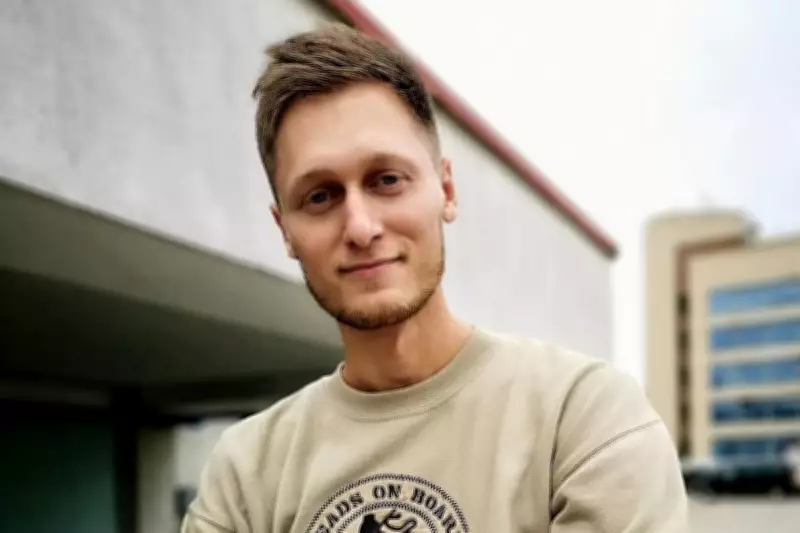
Belarusian Journalist Pavel Dabravolski Sentenced to Nine Years for Treason
Belarusian journalist Pavel Dabravolski has been convicted of treason and sentenced to nine years in a maximum-security prison. The award-winning journalist was found guilty during a closed-door trial held in Minsk, as reported by the Belarusian Association of Journalists. This conviction marks a significant escalation in the government's ongoing crackdown on press freedom, with Dabravolski becoming the fifth media worker to be imprisoned within just two weeks.
Escalating Crackdown on Press Freedom
Exiled opposition leader Sviatlana Tsikhanouskaya has strongly condemned the verdict, stating that Dabravolski's 'only 'crime' was doing his job and covering the 2020 protests after the stolen elections'. Her comments highlight the political nature of the charges, which many activists and international observers view as an attempt to silence dissent and suppress independent journalism in Belarus.
According to recent reports from human rights activists, there are currently 28 journalists imprisoned in Belarus. The country is widely described as having the worst freedom of speech record in Europe under the rule of President Alexander Lukashenko. This environment has created a climate of fear and repression, where journalists face severe consequences for reporting on sensitive political issues.

Broader Implications for Media Freedom
The sentencing of Pavel Dabravolski underscores the systematic targeting of journalists and media workers in Belarus. The use of treason charges against journalists is particularly alarming, as it represents a severe legal weaponisation aimed at curtailing press freedom and intimidating other reporters.
This case is part of a broader pattern of government actions against independent media, which includes:
- Frequent arrests and detentions of journalists
- Forced closures of media outlets
- Harassment and intimidation of media workers and their families
- Restrictive laws that criminalise legitimate journalistic activities
The international community has expressed growing concern over these developments, with calls for the immediate release of all imprisoned journalists and for Belarus to uphold its commitments to freedom of expression under international law.