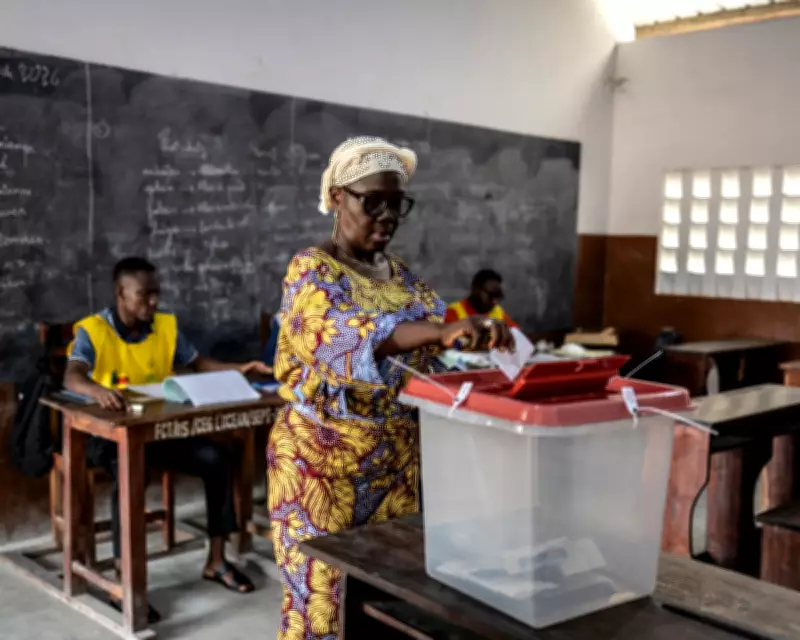
Benin's Presidential Election: A Crucial Democratic Test in West Africa
The upcoming presidential election in Benin is set to be a significant event, not just for the nation but for the entire West African region. Scheduled for April 2026, this election will determine the next leader of Benin, a country often hailed as a beacon of democracy in a region grappling with political instability. The outcome could have far-reaching implications for governance, economic policies, and international relations in West Africa.
Key Candidates and Political Landscape
Several prominent candidates are expected to contest the election, each bringing distinct visions for Benin's future. The incumbent president, if eligible, may seek re-election, facing challenges from opposition leaders who have been vocal about issues such as economic reform, social justice, and anti-corruption measures. The political landscape in Benin has been relatively stable compared to neighboring countries, but recent tensions over electoral laws and civil liberties have raised concerns among international observers.
Voter turnout and engagement are anticipated to be high, reflecting the population's active participation in democratic processes. However, there are fears about potential disruptions, including misinformation campaigns and security threats, which could undermine the integrity of the vote. The election commission has emphasized its commitment to ensuring a free and fair process, with measures in place to monitor polling stations and address any irregularities promptly.

Regional and International Implications
Benin's election is closely watched by regional bodies like the Economic Community of West African States (ECOWAS) and international partners, including the European Union and the United States. A smooth and transparent election could bolster Benin's reputation as a democratic model, encouraging similar practices in other West African nations. Conversely, any signs of electoral fraud or violence could exacerbate existing regional tensions and impact foreign aid and investment.
The role of youth and civil society is particularly noteworthy, as they have been at the forefront of advocating for democratic reforms and accountability. Their involvement in the electoral process, through voter education campaigns and grassroots mobilization, is expected to play a crucial role in shaping the election's outcome. Additionally, issues such as climate change, economic development, and healthcare access are likely to be central themes in the candidates' campaigns, reflecting the priorities of Benin's diverse population.
Challenges and Opportunities Ahead
Despite Benin's democratic achievements, challenges remain, including poverty, infrastructure deficits, and security concerns related to cross-border terrorism. The next president will need to address these issues while maintaining political stability and fostering inclusive growth. The election also presents an opportunity for Benin to strengthen its institutions and enhance transparency, setting a positive example for the region.
In summary, Benin's presidential election in April 2026 is more than just a national event; it is a critical juncture for democracy in West Africa. With high stakes for both domestic governance and regional stability, the world will be watching closely as Benin navigates this pivotal democratic exercise.